As the vibrant colors of summer fade and the air turns crisp, the transition into fall presents a unique opportunity for gardeners to cultivate a seasonal garden that thrives in cooler temperatures. Understanding the importance of seasonal garden care is crucial for ensuring that your fall garden not only survives but flourishes. This period is not merely a time to wind down; rather, it is an essential phase that requires thoughtful planning and execution to maximize your garden's potential. One of the key aspects of fall gardening is recognizing the specific needs of plants during this season. As daylight hours shorten and temperatures drop, plants enter a different growth cycle, necessitating adjustments in care routines.
Proper seasonal care involves selecting the right crops that can withstand cooler weather, understanding soil health, and implementing effective watering strategies. Failing to adapt to these seasonal changes can lead to common pitfalls that hinder your garden's success. Moreover, the significance of seasonal garden care extends beyond just plant health; it also impacts the overall ecosystem of your garden. By preparing your soil and choosing appropriate plants, you can create a sustainable environment that supports beneficial insects and promotes biodiversity. This holistic approach not only enhances the beauty of your garden but also contributes to its resilience against pests and diseases. In the following sections, we will delve deeper into common mistakes to avoid when planting a fall garden, ensuring that you are equipped with the knowledge needed for a bountiful harvest.
Embracing the principles of seasonal garden care will set you on the path to gardening success this fall.
Mistake #1: Ignoring Local Climate and Frost Dates
When planning your fall garden, one of the most critical mistakes to avoid is ignoring your local climate and the specific frost dates in your area. Understanding these factors is essential for successful gardening, as they directly influence what you can plant and when.Local Climate Considerations
- Temperature Ranges: Different plants thrive in varying temperature ranges. Researching your local climate zone will help you select plants that are well-suited for your area.
- Microclimates: Your garden may have unique microclimates influenced by structures, trees, or bodies of water. These can affect temperature and moisture levels, impacting plant growth.
- Rainfall Patterns: Understanding seasonal rainfall can help you determine irrigation needs and select drought-resistant varieties if necessary.
The Importance of Frost Dates
- First Frost Date: Knowing the average first frost date in your region is crucial.
Planting too late can result in frost damage to young plants.
- Last Frost Date: Conversely, understanding the last frost date in spring can help you plan when to start seeds indoors or transplant seedlings outdoors.
- Frost Tolerance: Some plants are more frost-tolerant than others. Researching which varieties can withstand cooler temperatures will allow you to extend your growing season.
Mistake #2: Planting at the Wrong Time
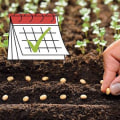
Timing is everything when it comes to seasonal garden care, especially in the fall.One of the most common mistakes gardeners make is planting at the wrong time. This can lead to poor growth, reduced yields, and wasted effort. Understanding the optimal planting schedule is crucial for a successful fall garden.Many novice gardeners tend to plant too early, driven by enthusiasm or the desire to maximize their harvest. However, planting before the soil has cooled sufficiently can stress young plants and make them more susceptible to pests and diseases.
On the other hand, waiting too long can result in missed opportunities for growth before the first frost hits.
Determining the Best Planting Window
To avoid these pitfalls, it’s essential to know your local climate and frost dates. Here are some tips to help you determine the best planting window:- Check Frost Dates: Research your area's average first frost date. This will give you a timeline for when to plant your fall crops.
- Soil Temperature: Ensure that the soil temperature is appropriate for the seeds you are planting. Most fall crops thrive in cooler soil, typically between 60°F and 70°F.
- Days to Maturity: Consider how long it takes for your chosen plants to mature.
Count backward from your first frost date to determine when you should sow seeds or transplant seedlings.
Mistake #3: Choosing Inappropriate Plants for Fall Gardens
One of the most significant mistakes gardeners make when planning a fall garden is selecting inappropriate plants that are ill-suited for the cooler temperatures and shorter days of the season. Understanding which plants thrive in fall conditions is crucial for a successful harvest.Common Plant Selection Mistakes
- Ignoring Hardiness Zones: Each plant has a specific hardiness zone, indicating the climates in which it can thrive.
Failing to consider your zone can lead to choosing plants that won't survive the fall chill.
- Overlooking Frost Dates: Many gardeners underestimate the impact of frost. Selecting plants that are not frost-tolerant can result in lost crops before they even mature.
- Choosing Fast-Growing Varieties: While quick-growing plants may seem appealing, they often do not have the time to establish strong root systems before winter sets in.
Best Plants for Fall Gardens
To avoid these pitfalls, consider incorporating the following hardy varieties into your fall garden:
- Kale: This leafy green is not only nutritious but also becomes sweeter after a frost, making it an excellent choice for fall.
- Brussels Sprouts: These vegetables thrive in cooler temperatures and can be harvested well into winter.
- Pansies: For those looking to add color, pansies are hardy flowers that can withstand chilly weather and bloom beautifully in fall.
- Garlic: Planting garlic in the fall allows it to establish roots before winter, leading to a bountiful harvest in the summer.
Mistake #4: Neglecting Soil Preparation and Fertility
When it comes to seasonal garden care, one of the most critical aspects is ensuring that your soil is adequately prepared and fertile. Neglecting this vital step can lead to a host of problems that may stunt plant growth and reduce yields.Common Soil Preparation Mistakes
- Skipping Soil Testing: Before planting, it's essential to test your soil to understand its pH and nutrient levels.
Many gardeners overlook this step, leading to imbalanced soil conditions that can hinder plant health.
- Ignoring Organic Matter: Failing to amend your soil with organic matter, such as compost or well-rotted manure, can result in poor soil structure and fertility. Organic matter improves drainage, aeration, and nutrient availability.
- Not Tilling Properly: While tilling can help aerate the soil, over-tilling can damage soil structure and lead to compaction. It's important to find a balance that promotes healthy root development.
Soil Fertility Management Errors
- Over-Fertilizing: Many gardeners mistakenly believe that more fertilizer equals better growth. However, excessive fertilizer can lead to nutrient burn and negatively impact plant health.
- Neglecting Micronutrients: Focusing solely on macronutrients like nitrogen, phosphorus, and potassium can result in deficiencies of essential micronutrients.
Incorporating a balanced fertilizer that includes trace elements is crucial for optimal growth.
- Failing to Rotate Crops: Planting the same crops in the same location year after year can deplete specific nutrients from the soil. Implementing crop rotation helps maintain soil fertility and reduces pest and disease buildup.
Mistake #5: Overwatering or Underwatering Plants
One of the most common mistakes gardeners make during the fall is overwatering or underwatering their plants. As temperatures begin to drop, the watering needs of your garden can change significantly.Understanding how to assess these needs is crucial for maintaining a healthy seasonal garden.
Assessing Watering Needs
- Check Soil Moisture: Before watering, always check the soil moisture. Stick your finger about an inch into the soil; if it feels dry, it’s time to water. If it’s still moist, wait a few days before checking again.
- Consider Plant Type: Different plants have varying water requirements. For instance, leafy greens may need more frequent watering compared to root vegetables.
Research the specific needs of your plants to avoid common fall garden watering mistakes.
- Monitor Weather Conditions: Fall weather can be unpredictable. Rainy days may reduce the need for irrigation, while dry spells may require more frequent watering. Keep an eye on the forecast to adjust your watering schedule accordingly.
Irrigation Tips for Fall Gardens
- Use Drip Irrigation: Consider installing a drip irrigation system that delivers water directly to the roots, minimizing evaporation and ensuring efficient use of water.
- Water Early in the Day: Watering in the morning allows plants to absorb moisture before temperatures rise, reducing evaporation and preventing fungal diseases.
- Avoid Watering at Night: Watering late in the day can leave plants damp overnight, increasing the risk of mold and mildew.
Mistake #6: Failing to Manage Pests and Diseases
One of the most significant pitfalls in seasonal garden care is neglecting to manage pests and diseases effectively.As the temperatures drop in the fall, certain pests and diseases can become more prevalent, posing a serious threat to your garden's health. Understanding how to identify and control these issues is crucial for a successful fall garden.
Common Fall Garden Pests
- Aphids: These small insects can quickly multiply and damage your plants by sucking their sap.
- Cabbage worms: Particularly harmful to brassicas, these pests can defoliate your crops if not managed promptly.
- Spider mites: Often found in dry conditions, spider mites can cause significant leaf damage.
- Regular Monitoring: Check your plants frequently for signs of pests or disease. Early detection is key to effective management.
- Companion Planting: Some plants naturally repel pests. For example, planting marigolds alongside vegetables can deter aphids and nematodes.
- Natural Predators: Encourage beneficial insects like ladybugs and lacewings that feed on common garden pests.
Disease Control Strategies
In addition to pest management, controlling diseases is vital for maintaining a healthy fall garden.Fungal infections, such as powdery mildew, can thrive in cooler, damp conditions. Here are some effective control measures:
- Proper Spacing: Ensure adequate spacing between plants to improve air circulation, which helps reduce humidity levels that favor fungal growth.
- Watering Techniques: Water early in the day to allow foliage to dry before evening, minimizing the risk of disease.
- Crop Rotation: Avoid planting the same crops in the same location year after year to prevent soil-borne diseases from taking hold.
Mistake #7: Skipping Mulching and Winter Preparation Techniques
One of the most critical yet often overlooked aspects of seasonal garden care is the practice of mulching and preparing your garden for winter. Neglecting these essential steps can lead to significant challenges for your plants as they face the harsh conditions of colder months.The Benefits of Mulching
Mulching serves multiple purposes that are vital for the health of your fall garden:- Insulation: A thick layer of mulch helps regulate soil temperature, keeping it warmer during chilly nights and protecting plant roots from freezing.
- Moisture Retention: Mulch reduces evaporation, ensuring that your plants have access to the moisture they need, even as temperatures drop.
- Weed Suppression: By covering the soil, mulch prevents weeds from taking root, which can compete with your plants for nutrients and water.
- Nutrient Enrichment: Organic mulches break down over time, adding valuable nutrients back into the soil and improving its overall structure.
Winter Preparation Techniques
In addition to mulching, proper winter preparation is crucial for ensuring your garden survives and thrives come spring.Here are some effective tips:
- Clean Up Debris: Remove any dead plants, leaves, or debris that can harbor pests or diseases over the winter months.
- Protect Vulnerable Plants: Consider using row covers or cloches to shield delicate plants from frost and snow.
- Soil Amendments: Before winter sets in, amend your soil with compost or well-rotted manure to enhance its fertility for the next growing season.
- Plan for Spring: Take this time to plan your spring garden layout and consider what crops you want to plant next year.
Frequently Asked Questions About Fall Gardening Mistakes
When it comes to fall gardening, many gardeners have questions about the common mistakes to avoid. Here are some frequently asked questions that can help clarify your doubts:What are the most common mistakes in fall gardening?
- Planting too late: One of the biggest mistakes is waiting too long to plant. Fall crops need time to establish before the first frost.
- Neglecting soil preparation: Failing to amend the soil with compost or nutrients can lead to poor plant growth.
Always test your soil and enrich it as needed.
- Ignoring local frost dates: Not being aware of your area's first frost date can result in lost crops. Always check local gardening resources for accurate information.
How can I ensure my fall garden thrives?
- Choose the right plants: Opt for cold-tolerant varieties such as kale, spinach, and root vegetables that can withstand cooler temperatures.
- Water wisely: As temperatures drop, plants may require less water. However, ensure they are adequately hydrated before frost hits.
- Mulch effectively: Applying mulch helps retain moisture and insulate the soil, protecting roots from freezing temperatures.
What should I do if my plants are not growing well?
If you notice stunted growth or yellowing leaves, consider the following:- Check for pests: Inspect your plants for any signs of pests that may be affecting their health.
- Assess sunlight exposure: Ensure your garden is receiving adequate sunlight; some fall crops may need more light than others.
- Evaluate watering practices: Overwatering or underwatering can both lead to poor plant health. Adjust your watering schedule accordingly.
Conclusion: Key Takeaways for Successful Fall Gardening
As we wrap up our discussion on seasonal garden care for fall gardening, it’s essential to remember the key takeaways that can help you avoid common pitfalls and ensure a bountiful harvest.By being mindful of these points, you can cultivate a thriving garden that not only survives but flourishes during the cooler months.
- Timing is Everything: Planting too late in the season can hinder growth. Be sure to check your local frost dates and plan your planting schedule accordingly.
- Soil Preparation: Neglecting soil health is a common mistake. Ensure your soil is well-aerated and enriched with organic matter to provide the necessary nutrients for your plants.
- Choosing the Right Crops: Not all plants thrive in fall. Opt for varieties that are suited for cooler temperatures, such as kale, carrots, and radishes.
- Watering Wisely: Overwatering can lead to root rot, while underwatering can stress your plants.
Monitor moisture levels regularly to maintain a balanced watering routine.
- Pest Management: Fall doesn’t mean pests disappear. Stay vigilant and implement organic pest control methods to protect your crops.