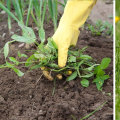
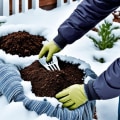
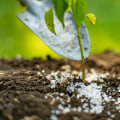
Soil erosion is a natural process that can have devastating effects on your garden, particularly during the spring season when the soil is often saturated with moisture from melting snow and spring rains. This phenomenon occurs when the top layer of soil is worn away by wind, water, or human activity, leading to a loss of nutrients and structure that are vital for healthy plant growth. Understanding the causes and consequences of soil erosion is essential for any gardener looking to maintain a thriving garden. The impact of soil erosion on gardens can be profound. Not only does it strip away the nutrient-rich topsoil necessary for plant health, but it can also lead to poor drainage and increased runoff, which may wash away seeds and young plants.
Additionally, as soil erodes, it can create uneven surfaces and expose roots, making plants more susceptible to disease and stress. This is particularly critical during the spring, a time when many gardeners are planting new seeds and nurturing young plants. Addressing soil erosion should be a key component of your seasonal garden care strategy. By implementing effective prevention methods early in the season, you can protect your garden from the adverse effects of erosion and ensure that your plants have the best possible start. In the following sections, we will explore various techniques and practices that can help you safeguard your garden against soil erosion while promoting a healthy growing environment.
The Importance of Seasonal Garden Care in Preventing Soil Erosion
As spring arrives, it brings with it a renewed opportunity for seasonal garden care, which is crucial in preventing soil erosion.The combination of melting snow and increased rainfall can lead to significant soil displacement if not managed properly. Implementing effective strategies during this season can help maintain the integrity of your garden's soil.One of the most effective ways to combat soil erosion is through the use of cover crops. These plants, such as clover or rye, can be sown in early spring. They not only protect the soil from direct rainfall but also improve soil structure and fertility as they decompose.
Additionally, their root systems help bind the soil together, reducing the risk of erosion.Another essential practice is to create contour beds. By shaping your garden beds to follow the natural contours of your landscape, you can slow down water runoff and allow it to soak into the ground more effectively. This method is particularly beneficial on sloped areas where water tends to flow rapidly.
- Mulching: Applying a layer of organic mulch around your plants can significantly reduce soil erosion. Mulch acts as a barrier against heavy rains, minimizes evaporation, and suppresses weed growth.
- Planting native vegetation: Native plants are adapted to local conditions and often have deep root systems that help stabilize the soil.
Incorporating these plants into your garden can enhance its resilience against erosion.
- Building terraces: If your garden is on a slope, consider constructing terraces. This method creates flat areas that can hold water and reduce runoff, effectively minimizing erosion.
Implementing Ground Cover Plants to Protect Your Soil
One of the most effective ways to prevent soil erosion in your garden during the spring season is by implementing ground cover plants. These plants not only enhance the aesthetic appeal of your garden but also play a crucial role in protecting your soil from erosion caused by wind and water.Benefits of Ground Cover Plants
- Soil Stabilization: The roots of ground cover plants help bind the soil together, reducing the likelihood of erosion.
- Moisture Retention: They help retain moisture in the soil, which is essential for plant health and reduces runoff.
- Weed Suppression: By covering the ground, these plants can outcompete weeds, which can otherwise destabilize the soil.
- Enhanced Biodiversity: Ground covers can attract beneficial insects and pollinators, contributing to a healthier garden ecosystem.
Choosing the Right Ground Cover Plants
When selecting ground cover plants for your garden, consider the following factors:
- Climate Compatibility: Choose plants that thrive in your local climate.
For example, creeping thyme and clover are excellent choices for temperate regions.
- Sunlight Requirements: Assess how much sunlight your garden receives. Some ground covers, like ajuga, prefer shade, while others, such as sedum, thrive in full sun.
- Soil Type: Different plants have varying tolerances for soil types. Ensure you select ground covers that are suited to your garden's specific soil conditions.
Utilizing Mulch for Soil Retention and Erosion Control
One of the most effective ways to prevent soil erosion in your garden during the spring season is by utilizing mulch.Mulch serves as a protective layer over the soil, helping to retain moisture and reduce the impact of rainfall on bare soil, which can lead to erosion.There are several types of mulch you can consider:
- Organic Mulch: This includes materials like wood chips, straw, grass clippings, and shredded leaves. Organic mulch not only helps with soil retention but also improves soil quality as it decomposes.
- Inorganic Mulch: Options such as gravel, stones, or landscape fabric can be used. While they do not improve soil fertility, they are excellent for preventing erosion and controlling weeds.
- Living Mulch: Planting cover crops like clover or vetch can provide a natural mulch layer. These plants protect the soil from erosion while also enriching it with nutrients.
It helps to:
- Retain Moisture: Mulch acts as a barrier that reduces evaporation, keeping the soil moist for longer periods.
- Control Weeds: A thick layer of mulch can suppress weed growth, which competes with your plants for nutrients and water.
- Regulate Soil Temperature: Mulch insulates the soil, keeping it cooler in hot weather and warmer during cooler nights.
- Prevent Soil Erosion: By shielding the soil from heavy rains and wind, mulch minimizes the risk of topsoil loss.
Creating Terraces and Raised Beds for Better Soil Management
One of the most effective soil management strategies for preventing erosion in your garden is to create terraces and raised beds. These techniques not only enhance the aesthetic appeal of your garden but also play a crucial role in managing water runoff and maintaining soil integrity.Terracing Techniques
Terracing involves creating flat areas on sloped land, which helps to slow down water flow and reduce erosion.Here are some key steps to implement terracing in your garden:
- Assess the slope: Determine the steepness of your garden's slope. This will guide you in designing effective terraces.
- Design the layout: Plan your terraces in a way that they follow the natural contours of the land. This will help in capturing water and preventing it from washing away soil.
- Build retaining walls: Use materials like stone, wood, or even earth to create sturdy walls that hold back soil and create level planting areas.
- Add drainage: Ensure that each terrace has proper drainage to prevent water accumulation, which can lead to further erosion.
Raised Garden Beds
Raised garden beds are another excellent option for managing soil erosion. They elevate your plants above ground level, providing several benefits:- Improved drainage: Raised beds allow excess water to drain away quickly, reducing the risk of soil erosion caused by standing water.
- Easier maintenance: With raised beds, you can easily control soil quality and composition, ensuring that your plants have the best possible environment for growth.
- Enhanced root stability: The structure of raised beds helps anchor plant roots more effectively, making them less susceptible to being washed away during heavy rains.
By investing time in these methods, you not only protect your soil but also promote healthier plant growth throughout the season.
Incorporating Organic Matter to Enhance Soil Structure
One of the most effective ways to prevent soil erosion in your garden during the spring season is by incorporating organic matter into your soil. Organic matter, such as compost, not only improves soil structure but also enhances its ability to retain moisture and nutrients, making it more resilient against erosion.Benefits of Organic Matter:
- Improved Soil Structure: Organic matter helps bind soil particles together, creating a stable structure that reduces the likelihood of erosion.
- Enhanced Nutrient Retention: Soils rich in organic matter can hold more nutrients, which are essential for plant growth and health.
- Increased Water Infiltration: By improving soil porosity, organic matter allows water to penetrate deeper into the ground, reducing surface runoff and erosion.
- Choose the Right Materials: Use a mix of green materials (like kitchen scraps and grass clippings) and brown materials (such as dried leaves and cardboard) to create a balanced compost.
- Maintain Proper Moisture Levels: Keep your compost pile moist but not soggy. This will help accelerate the decomposition process.
- Turn Your Compost Regularly: Aerating your compost by turning it every few weeks will speed up decomposition and ensure even breakdown of materials.
- Add Compost to Your Garden: Once your compost is ready, mix it into your garden beds or use it as a top dressing to enhance soil quality.
Implementing Effective Water Management Techniques
Effective water management is crucial for preventing soil erosion in your garden, especially during the spring when heavy rains can lead to significant runoff. By implementing a few strategic techniques, you can protect your soil and promote healthy plant growth.- Utilize Rain Barrels: Collecting rainwater in barrels can help manage excess water.
This not only reduces runoff but also provides a sustainable water source for your garden during drier periods.
- Incorporate Swales: Swales are shallow, vegetated channels designed to slow down water flow and capture runoff. By directing water to these areas, you can enhance infiltration and reduce erosion.
- Install Drip Irrigation: Unlike traditional sprinklers, drip irrigation delivers water directly to the plant roots, minimizing evaporation and runoff. This targeted approach ensures that your plants receive adequate moisture without overwhelming the soil.
- Create Contour Beds: Planting along the natural contours of your land can help slow down water movement. This technique encourages water to soak into the ground rather than wash away topsoil.
- Use Mulch: Applying a layer of organic mulch around your plants can help retain moisture and reduce the impact of raindrops on the soil surface.
This simple addition can significantly decrease erosion during heavy rains.
FAQs About Preventing Soil Erosion in Spring Gardens
As spring arrives, many gardeners are concerned about soil erosion and how to protect their precious garden beds. Here are some frequently asked questions that can help you understand and prevent soil erosion effectively.- What causes soil erosion in gardens during spring?
Soil erosion can occur due to heavy rainfall, melting snow, and strong winds. These elements can wash away the topsoil, which is vital for plant growth. - How can I prevent soil erosion in my garden?
There are several effective methods to prevent soil erosion: - Plant cover crops: Using cover crops like clover or rye can help hold the soil in place and improve its structure.
- Create terraces: If your garden is on a slope, consider building terraces to slow down water runoff.
- Use mulch: Applying a layer of organic mulch can protect the soil surface from rain impact and reduce erosion.
- Install barriers: Using rocks, logs, or other natural materials can help slow down water flow and keep soil in place.
- When is the best time to implement erosion control measures?
The best time to implement these measures is before the heavy rains of spring begin.Early spring is ideal for planting cover crops and applying mulch.
- Can I use landscaping fabric to prevent erosion?
Yes, landscaping fabric can be effective in preventing soil erosion. It allows water to pass through while keeping the soil intact. However, it should be used in conjunction with plants for optimal results. - How often should I check my garden for signs of erosion?
Regular checks during the spring season are essential. Look for signs like exposed roots or bare patches of soil after heavy rains.
Remember that proactive measures are key to maintaining a healthy and thriving garden.
Conclusion: Key Takeaways for Erosion Prevention in Your Garden
In conclusion, preventing soil erosion in your garden during the spring season is crucial for maintaining a healthy and productive landscape. By implementing effective seasonal garden care practices, you can protect your soil from erosion and promote sustainable gardening. Here are the key takeaways to remember:- Mulching: Applying a layer of organic mulch not only helps retain moisture but also protects the soil surface from heavy rains that can cause erosion.
- Cover Crops: Planting cover crops during the off-season can improve soil structure and reduce erosion by holding the soil in place with their root systems.
- Terracing: If your garden is on a slope, consider creating terraces to slow down water runoff and minimize soil loss.
- Plant Selection: Choose native plants and deep-rooted perennials that can stabilize the soil and reduce erosion risk.
- Water Management: Implementing proper drainage systems and rain gardens can help manage excess water, reducing the potential for erosion.