As the winter months approach, many gardeners may feel a sense of unease regarding the health of their plants.
Seasonal garden care
is crucial during this time, particularly when it comes to managing pests that can wreak havoc even in colder temperatures. While it might seem that the chill of winter would deter pests, many insects and diseases can survive the frost, making it essential to adopt effective strategies for winter garden care.Understanding the unique challenges posed by winter pests is the first step in maintaining a healthy garden. During this season, certain pests may become dormant, while others may seek shelter in your garden's soil or under protective coverings.This is where natural pest control methods come into play. By utilizing organic solutions, you can create a balanced ecosystem that not only protects your plants but also promotes biodiversity. In this article, we will explore various natural methods for controlling pests in your garden during the winter season. From introducing beneficial insects to employing physical barriers and using homemade repellents, these strategies not only help in managing pest populations but also align with sustainable gardening practices. Embracing natural pest control methods not only safeguards your plants but also contributes to a healthier environment, making your winter gardening experience both rewarding and eco-friendly.
The Importance of Pest Control in Winter Gardens
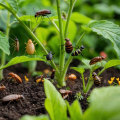
Maintaining a healthy garden during the winter months is essential, and pest control plays a crucial role in this process.While many gardeners may assume that cold temperatures eliminate pest problems, several pests can still thrive in winter, posing a threat to your plants. Understanding the importance of pest control in winter gardens can help you safeguard your plants and ensure their health.During the winter season, certain pests such as aphids, spider mites, and whiteflies can remain active, especially in milder climates. These pests can cause significant damage by feeding on plant sap, leading to weakened plants that may struggle to survive the colder months. Additionally, some pests may lay eggs that will hatch in the spring, resulting in an even larger infestation when temperatures rise.
Impact on Garden Health
- Reduced Plant Vitality: Pests can drain essential nutrients from your plants, making them more susceptible to diseases and environmental stress.
- Increased Disease Risk: Many pests are vectors for diseases that can spread rapidly among plants, further compromising garden health.
- Long-term Damage: Infestations left unchecked can lead to long-term damage, affecting not just the current season but future growth as well.
By being proactive and monitoring for signs of pest activity, you can take necessary actions to protect your plants. This includes using natural deterrents, ensuring proper sanitation practices, and creating an environment that discourages pest habitation.In conclusion, understanding the types of pests that can affect your garden during winter and their potential impact on plant health is essential for successful seasonal garden care. By prioritizing pest control now, you set the stage for a healthier garden come spring.
Natural Methods for Pest Control
As winter approaches, many gardeners may worry about pests that can damage their plants. Fortunately, there are several natural methods for controlling pests that are both effective and eco-friendly.Here are some practical tips to help you maintain a healthy garden during the colder months.
- Companion Planting: Utilize companion planting to deter pests naturally. Certain plants, such as marigolds, can repel harmful insects while attracting beneficial ones. Consider planting these alongside your winter crops to create a balanced ecosystem.
- Neem Oil: This organic solution is derived from the seeds of the neem tree and acts as a natural pesticide. It disrupts the life cycle of pests without harming beneficial insects when used correctly.
Apply neem oil during warmer winter days for maximum effectiveness.
- Diatomaceous Earth: Sprinkle food-grade diatomaceous earth around your garden beds. This natural powder is made from fossilized algae and works by dehydrating soft-bodied insects like slugs and aphids upon contact.
- Homemade Insecticidal Soap: Create your own insecticidal soap by mixing water with a few drops of liquid soap. Spray this solution on affected plants to control soft-bodied pests like spider mites and whiteflies.
- Row Covers: Use lightweight row covers to protect your plants from pests while allowing sunlight and moisture to penetrate. This barrier method is particularly useful for young seedlings during the winter months.
- Encourage Beneficial Insects: Attract beneficial insects such as ladybugs and lacewings by planting flowers like dill and yarrow.
These insects will help keep pest populations in check naturally.
Companion Planting for Pest Management
Companion planting is a time-honored technique that can significantly enhance pest management in your winter garden. By strategically pairing plants, you can create a natural barrier against pests while promoting healthy growth. This method not only helps in deterring unwanted insects but also improves the overall health of your garden ecosystem.One effective approach is to plant herbs alongside your winter crops.For instance, rosemary and sage are known to repel common pests such as aphids and cabbage moths. Their strong scents confuse and deter these insects, making them excellent companions for vegetables like cabbage and broccoli .Another beneficial pairing is garlic with roses. Garlic acts as a natural insect repellent, helping to keep aphids and spider mites at bay. Planting garlic around your rose bushes not only protects them but also enhances the flavor of the garlic itself.
Winter companion plants
can also include marigolds , which are renowned for their ability to repel nematodes and other harmful insects.By interspersing marigolds among your winter vegetables, you create a vibrant and pest-resistant garden.Here are some effective companion planting pairings for winter gardens:
- Cabbage + Rosemary
- Broccoli + Sage
- Roses + Garlic
- Kale + Marigolds
- Lettuce + Dill
Using Natural Predators to Control Pests
One of the most effective natural methods for controlling pests in your garden during the winter season is to utilize natural predators. These beneficial insects and wildlife can help maintain a balanced ecosystem, reducing the need for chemical interventions.Identifying Beneficial Insects
- Ladybugs: Known for their voracious appetite for aphids, ladybugs can significantly reduce pest populations.
- Lacewings: The larvae of lacewings are also effective at preying on aphids, mealybugs, and other soft-bodied insects.
- Parasitic Wasps: These tiny wasps lay their eggs inside pest insects, effectively controlling their populations.
- Plant Diverse Flora: Incorporate a variety of plants that bloom at different times throughout the winter. This diversity provides food sources and habitats for beneficial insects.
- Create Shelter: Use natural materials like brush piles or leave some areas of your garden undisturbed to provide shelter for overwintering insects.
- Avoid Pesticides: Refrain from using chemical pesticides that can harm beneficial insects.
Instead, focus on organic alternatives that are less harmful to the ecosystem.
Attracting Wildlife
In addition to insects, you can also attract other natural predators such as birds and bats. Installing birdhouses and bat boxes can encourage these animals to take up residence in your garden. Birds like wrens and chickadees feed on various pests, while bats are excellent at controlling insect populations at night.By fostering a habitat that supports natural predators, you not only manage pest populations effectively but also promote a healthier garden ecosystem during the winter months. This approach aligns perfectly with the principles of seasonal garden care, ensuring your garden remains vibrant and productive year-round.
Homemade Remedies for Common Winter Pests
As winter sets in, many gardeners face the challenge of common pests that can wreak havoc on their plants.Fortunately, there are several homemade remedies that can help you control these nuisances without resorting to harsh chemicals. Here are some effective DIY pest control solutions you can easily prepare at home.
1.Garlic Spray
Garlic is a natural insect repellent that can deter a variety of pests. To make a simple garlic spray:- Blend 2-3 cloves of garlic with 2 cups of water.
- Strain the mixture into a spray bottle.
- Add a few drops of liquid soap to help the solution adhere to plant leaves.
- Spray directly on affected plants, focusing on the undersides of leaves where pests often hide.
2.Neem Oil Solution
Neem oil is derived from the seeds of the neem tree and is an effective natural insecticide. To create a neem oil solution:- Dilute 1-2 tablespoons of neem oil in 1 gallon of water.
- Add a few drops of dish soap to emulsify the oil.
- Shake well and spray on plants every 7-14 days, especially on areas where pests are visible.
3.Soap and Water Mixture
A simple soap and water mixture can help control soft-bodied insects like aphids and spider mites:- Mix 1-2 tablespoons of liquid soap (not detergent) with 1 quart of water.
- Transfer the mixture to a spray bottle and apply it directly to infested plants.
- This solution suffocates pests and is safe for most plants when used sparingly.
Remember to test any homemade remedy on a small area first to ensure your plants respond well. With these effective solutions, you can maintain your garden's health even during the cold winter months.
Preventive Measures for Winter Pest Control
As winter approaches, taking preventive measures for pest control in your garden is essential to ensure a healthy and thriving landscape come spring. Here are some effective strategies to keep pests at bay during the colder months:- Clean Up Your Garden: Before winter sets in, remove any dead plants, fallen leaves, and debris from your garden. These materials can harbor pests and diseases, providing them with a cozy environment to survive the winter.
- Mulching: Apply a thick layer of organic mulch around your plants.
This not only insulates the soil but also deters pests by creating an unfavorable habitat for them.
- Companion Planting: Consider planting pest-repelling plants such as garlic, marigolds, or chrysanthemums. These natural deterrents can help keep unwanted insects away from your more vulnerable plants.
- Physical Barriers: Use row covers or netting to protect your plants from pests. These barriers can prevent insects from laying eggs on your plants while still allowing sunlight and moisture to reach them.
- Regular Monitoring: Even in winter, it’s important to check your garden regularly for signs of pest activity. Early detection can help you take action before infestations become severe.
- Soil Health: Maintain healthy soil by adding compost or organic matter.
Healthy soil promotes strong plants that are more resistant to pests and diseases.
FAQs About Winter Pest Control in Gardens
As winter approaches, many gardeners have questions about how to effectively manage pests in their gardens. Here are some frequently asked questions regarding winter pest control:- Do pests really survive the winter?
Yes, many pests can survive the winter in various life stages, such as eggs, larvae, or adults. Some insects, like aphids and spider mites, may find shelter in the soil or under leaf litter. - What are some natural methods to control pests during winter?
Utilizing natural methods such as companion planting, introducing beneficial insects, and using organic repellents can help deter pests.Additionally, maintaining a clean garden by removing debris can reduce overwintering sites.
- How can I tell if my plants are infested with pests in winter?
Look for signs such as discolored leaves, webbing, or visible insects on the plants. Regularly inspecting your garden can help catch infestations early. - Is it necessary to treat my garden for pests in winter?
While not all gardens require treatment during winter, it’s essential to monitor for any signs of pest activity. If you notice significant infestations, consider using natural pest control methods to protect your plants. - Can I use chemical pesticides in winter?
It is generally not recommended to use chemical pesticides during the winter months as they can harm beneficial organisms and disrupt the ecosystem. Focus on natural alternatives.
Understanding how pests behave during this season is crucial for effective seasonal garden care.
Conclusion: Embracing Natural Pest Control for a Healthy Winter Garden
In conclusion, embracing natural pest control methods during the winter months is essential for maintaining a healthy and thriving garden. As we have explored, the cold season presents unique challenges, but it also offers opportunities to implement sustainable practices that benefit both your plants and the environment. Utilizing techniques such as companion planting, introducing beneficial insects, and employing organic repellents can significantly reduce pest populations without the need for harsh chemicals. These methods not only protect your garden but also promote biodiversity, which is crucial for a balanced ecosystem. Moreover, regular monitoring and maintenance of your garden during winter can help you identify potential pest issues before they escalate. By keeping an eye on your plants and their surroundings, you can take proactive measures to deter pests naturally. As you prepare for the upcoming growing season, consider integrating these natural pest control strategies into your seasonal garden care routine.Not only will this approach enhance the health of your garden, but it will also contribute to a more sustainable gardening practice that respects nature. Ultimately, by choosing natural methods for pest control, you are investing in the long-term vitality of your garden. This winter, let’s commit to nurturing our plants with care and respect, ensuring they flourish when spring arrives.