As the days grow shorter and temperatures begin to drop, seasonal garden care becomes essential for ensuring your garden thrives through the winter months. Preparing your garden for winter is not just about protecting plants from frost; it’s about creating a resilient environment that can withstand the harsh conditions ahead. Understanding the nuances of winter garden preparation can make a significant difference in the health and vitality of your plants come spring. Many gardeners overlook the importance of proper garden maintenance tips during this transitional period. However, taking proactive steps now can prevent damage and promote growth when the warmer weather returns.
From mulching to pruning, each task plays a crucial role in safeguarding your plants against winter's chill. By investing time in seasonal care, you not only protect your current plants but also set the stage for a flourishing garden in the upcoming growing season. In this guide, we will explore effective strategies for preparing your garden for winter, ensuring that you are equipped with the knowledge to maintain a healthy and vibrant outdoor space. Whether you are a seasoned gardener or just starting out, understanding these principles of seasonal care will empower you to make informed decisions that benefit your garden year-round.
Assessing Your Garden's Needs
Preparing your garden for the winter season begins with a thorough assessment of its current state. This process is crucial for ensuring that your plants survive the cold months and thrive when spring arrives.Here are some steps to effectively evaluate your garden's needs:
- Inspect Plant Health: Start by examining each plant for signs of stress or disease. Look for yellowing leaves, wilting, or any unusual spots that may indicate pests or fungal infections. Addressing these issues now can prevent further damage during winter.
- Check Soil Conditions: Healthy soil is the foundation of a thriving garden. Test the soil's moisture level; it should be damp but not waterlogged.
If the soil is too dry, consider watering before the ground freezes. Additionally, adding organic matter like compost can improve soil structure and nutrient content.
- Identify Vulnerable Plants: Some plants are more susceptible to cold than others. Perennials, tender annuals, and young trees may need extra protection. Consider mulching around their base or using protective coverings to shield them from harsh winter conditions.
- Plan for Winterization: Based on your assessment, create a plan for winterizing your garden.
This may include pruning dead or diseased branches, relocating potted plants indoors, or applying a layer of mulch to insulate roots.
Cleaning Up Your Garden
As the days grow shorter and temperatures drop, cleaning up your garden becomes a crucial part of your seasonal garden care routine. A thorough garden cleanup not only enhances the aesthetic appeal of your outdoor space but also plays a vital role in preventing pests and diseases from taking hold during the winter months.Start by removing any debris that has accumulated throughout the growing season. This includes:- Fallen leaves: While they can provide some insulation for the soil, a thick layer of leaves can harbor pests and diseases. Rake them up and consider composting them to enrich your soil later.
- Dead plants: Pull out any annuals that have finished their life cycle.
Leaving them in the ground can attract unwanted insects and diseases.
- Weeds: Don’t forget to tackle those pesky weeds! They can compete with your plants for nutrients and water, even in winter.
Adding a layer of mulch can help insulate the soil, retain moisture, and suppress weeds during the colder months. This simple step is an effective way to ensure that your garden is ready to thrive when spring arrives.By dedicating time to fall garden maintenance, you set the stage for a healthier garden come springtime. A clean garden is not just visually appealing; it’s an essential practice for sustainable gardening.
Preparing Soil for Winter
Preparing your garden soil for winter is a crucial step in seasonal garden care. Proper soil preparation not only protects your plants but also enhances soil health for the upcoming growing season.Here are some effective strategies to ensure your soil is ready for the cold months ahead.
Adding Organic Matter
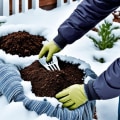
One of the best ways to prepare your soil for winter is by incorporating organic matter. This can include compost, well-rotted manure, or leaf mold. Adding organic matter improves soil structure, enhances nutrient availability, and promotes beneficial microbial activity. Aim to spread a layer of organic material about 2-3 inches thick over your garden beds and gently work it into the top few inches of soil.Soil Amendment Tips
- Test Your Soil: Before adding amendments, consider testing your soil to determine its pH and nutrient levels.
This will help you understand what specific amendments are needed.
- Add Nutrients: Based on your soil test results, you may need to add specific nutrients. For example, if your soil is low in nitrogen, consider using a nitrogen-rich fertilizer or green manure crops.
- Improve Drainage: If your garden tends to retain water, consider adding sand or perlite to improve drainage. This helps prevent root rot and other moisture-related issues during winter.
Mulching Techniques
Mulching is another essential practice for winter soil preparation. A good layer of mulch can protect the soil from freezing temperatures and reduce erosion.Here are some effective mulching techniques:
- Choose the Right Material: Use organic materials like straw, wood chips, or shredded leaves. These not only insulate the soil but also break down over time, enriching it.
- Apply Adequately: Spread mulch about 3-4 inches thick around plants and over bare soil areas. Be careful not to pile it against plant stems to avoid rot.
- Replenish as Needed: Check your mulch layer periodically throughout the winter and replenish it as necessary to maintain adequate coverage.
Protecting Plants from Harsh Weather
As winter approaches, protecting plants from harsh weather becomes a crucial aspect of seasonal garden care.Sensitive plants can suffer from frost damage and extreme cold, so implementing effective winter plant care strategies is essential.
- Use Plant Covers: One of the simplest methods to shield your plants is by using frost cloths or garden blankets. These materials trap heat and provide insulation. Make sure to cover your plants in the evening before temperatures drop and remove them during the day to allow sunlight in.
- Mulching: Applying a thick layer of mulch around the base of your plants can help regulate soil temperature and retain moisture. Organic materials like straw, wood chips, or shredded leaves are excellent choices that also enrich the soil as they decompose.
- Strategic Placement: If possible, relocate potted plants to a more sheltered area, such as near a wall or under an overhang.
This can provide additional protection from wind and frost. For in-ground plants, consider grouping them together; this creates a microclimate that can help keep them warmer.
- Wrap Vulnerable Plants: For particularly sensitive species, consider wrapping them with burlap or bubble wrap. This extra layer acts as insulation against cold temperatures. Be sure to secure the wrap without constricting the plant's growth.
- Watering Wisely: Keep your plants hydrated before the first freeze.
Well-watered plants are more resilient to cold stress. However, avoid watering too late in the day, as this can lead to ice formation on the foliage overnight.
Winterizing Your Garden Tools and Equipment
As the winter season approaches, winterizing your garden tools and equipment is essential for maintaining their longevity and ensuring they are ready for use when spring arrives. Proper care during this time can save you both time and money in the long run.1.Clean Your Tools
- Start by removing any soil, sap, or debris from your tools.
A wire brush or putty knife can be effective for stubborn residues.
- Wash metal parts with soapy water to prevent rust. Rinse thoroughly and dry immediately to avoid moisture buildup.
- For wooden handles, wipe them down with a damp cloth and apply a light coat of mineral oil to prevent cracking.
2.Sharpen Blades
Before storing your tools, take the time to sharpen blades on pruners, shears, and hoes. A sharp blade not only makes gardening easier but also reduces the risk of injury and damage to plants.
3.Inspect for Damage
- Check for any signs of wear or damage, such as loose screws or broken handles. Repair or replace any damaged parts to ensure your tools are in optimal condition.
- Pay special attention to hoses and watering equipment; look for cracks or leaks that could worsen over the winter.
4.Store Properly
- Store tools in a dry, sheltered location to protect them from moisture and extreme temperatures.
A shed or garage is ideal.
- Hang tools on a wall or use a pegboard to keep them organized and off the ground, which helps prevent rusting.
- If you have larger equipment like lawnmowers or tillers, consider draining fuel and oil before storage to prevent engine issues in the spring.
5.Consider Seasonal Maintenance
Finally, take advantage of the winter months to perform any necessary maintenance on larger equipment. This might include changing oil, replacing air filters, or checking spark plugs. Keeping your equipment in top shape will make your gardening tasks much easier when the growing season returns.By following these tips for winter tool storage and maintenance, you can ensure that your garden tools remain in excellent condition throughout the cold months, ready for action when spring arrives.
Planning for Spring: What to Do Now
As the winter months settle in, it’s the perfect time to start planning for your spring garden. While the ground may be frozen and the plants dormant, your mind can be buzzing with ideas and strategies to ensure a fruitful growing season ahead.Here are some essential tasks to consider during this period:
- Evaluate Your Garden Layout: Take a moment to reflect on last year’s garden. What worked well? What didn’t? Sketch out a new layout that optimizes space and sunlight exposure for your plants.
- Choose Your Seeds Wisely: Research and select seeds that thrive in your climate zone. Consider heirloom varieties or native plants that can attract beneficial insects and pollinators.
- Create a Gardening Calendar: Develop a timeline for planting, fertilizing, and harvesting. This will help you stay organized and ensure you don’t miss critical planting windows.
- Plan for Crop Rotation: To maintain soil health and reduce pest issues, plan to rotate your crops each year.
This practice can significantly enhance your garden's productivity.
- Consider Companion Planting: Research which plants grow well together. Companion planting can improve yields and deter pests naturally.
Remember, seasonal garden care doesn’t just happen in the spring; it begins now with thoughtful planning and preparation.
Frequently Asked Questions about Winter Garden Care
As winter approaches, many gardeners have questions about how to best prepare their gardens for the colder months. Here are some frequently asked questions regarding winter gardening and seasonal garden care.1.What should I do with my perennials before winter?
Before the first frost, it’s essential to cut back your perennials. Remove any dead or diseased foliage to prevent pests and diseases from overwintering in your garden. However, leave some plants standing, as they can provide shelter for beneficial insects.2.How can I protect my plants from frost?
To protect your plants from frost, consider using frost cloths, burlap, or even old sheets to cover them during particularly cold nights.Additionally, applying a thick layer of mulch around the base of your plants can help insulate the soil and roots.
3.Should I water my garden before winter?
Yes, it’s important to water your garden before the ground freezes. Ensure that your plants are well-hydrated going into winter, as this will help them survive the cold months. However, avoid overwatering, as soggy soil can lead to root rot.4.Is it necessary to clean up fallen leaves?
While some gardeners prefer to leave fallen leaves for natural mulch, it’s advisable to remove leaves that are diseased or infested with pests. A thick layer of healthy leaves can be beneficial, but ensure they are not smothering your plants.5.Can I plant anything in the winter?
Winter is not typically a time for planting in most regions; however, you can plant winter crops such as garlic or certain types of onions in late fall.Additionally, consider starting seeds indoors for an early spring garden.By addressing these common inquiries about winter garden care, you can ensure that your garden remains healthy and vibrant through the cold season.
Conclusion: Embracing Seasonal Changes in Your Garden Care Routine
As the gardening season comes to a close, it’s essential to reflect on the seasonal garden care practices that can help your garden thrive through the winter months. Preparing your garden for winter is not just about protecting your plants; it’s about setting the stage for a vibrant and healthy garden come spring.Throughout this article, we’ve explored various strategies to ensure your garden remains resilient against the harsh winter conditions. From mulching to insulate roots, to pruning dead or diseased branches, each step plays a crucial role in maintaining the health of your plants. Additionally, we discussed the importance of soil health, emphasizing how enriching your soil with organic matter can provide essential nutrients that will benefit your plants when they awaken in the spring.Moreover, don’t forget about protective coverings.Using row covers or cold frames can shield tender plants from frost while allowing sunlight to penetrate. This simple yet effective method can make a significant difference in plant survival rates during the colder months.In conclusion, embracing seasonal changes in your garden care routine is vital for long-term success. By taking proactive measures now, you not only protect your current plants but also enhance the overall health of your garden ecosystem. Remember, a well-prepared garden is a thriving garden, ready to burst into life when spring arrives.
So gather your tools, implement these tips, and enjoy the beauty of a well-cared-for garden all year round.