As the summer sun blazes overhead, the impact of summer heat on your garden can be profound and far-reaching. High temperatures can lead to increased evaporation rates, causing soil moisture to dwindle and leaving plants vulnerable to stress. This stress manifests in various ways, from wilting leaves to stunted growth, ultimately affecting the overall health and productivity of your garden. Understanding these effects is crucial for any gardener looking to maintain a vibrant and thriving outdoor space during the hottest months of the year. During periods of extreme heat, plants may struggle to absorb the necessary nutrients and water they need to flourish.
The combination of high temperatures and dry conditions can lead to garden stress, making it essential for gardeners to implement effective seasonal garden care strategies. Without proper attention, your once-lush garden can quickly turn into a parched landscape, with plants succumbing to heat-related issues. Recognizing the signs of heat stress early on allows you to take proactive measures to protect your plants. From adjusting watering schedules to providing shade, understanding how summer heat impacts your garden is the first step in ensuring its resilience. By prioritizing seasonal care, you can create an environment where your plants not only survive but thrive, even in the face of relentless summer heat.
Choosing the Right Plants for Hot Weather
When planning your summer garden, selecting the right plants is essential for thriving in the heat.Heat-resistant plants and drought-tolerant plants are your best allies in combating the harsh summer sun. These plants have adapted to survive with minimal water and can withstand high temperatures, making them ideal choices for your garden.Here are some tips for choosing the right plants:
- Research Native Plants: Native plants are often well-suited to local climates and require less water. Look for varieties that naturally thrive in your region's summer conditions.
- Opt for Succulents: Succulents store water in their leaves, making them perfect for hot weather. Varieties like Aloe Vera and Agave not only add visual interest but also require minimal care.
- Consider Perennials: Many perennials, such as Lavender, Echinacea, and Black-eyed Susans, are both heat and drought-resistant, providing long-lasting beauty with less maintenance.
- Incorporate Herbs: Herbs like Thyme, Rosemary, and Sage thrive in hot conditions and can be used in your kitchen, adding both flavor and functionality to your garden.
Grouping plants with similar water needs together can help you manage irrigation more effectively. This practice not only conserves water but also ensures that each plant receives the appropriate care it requires to flourish during the summer months.By carefully selecting heat-resistant and drought-tolerant plants, you can create a vibrant summer garden that withstands the heat while requiring less maintenance. This thoughtful approach to seasonal garden care will help you enjoy a flourishing outdoor space even during the hottest days of the year.
Effective Watering Techniques for Hot Days
During the sweltering summer months, effective watering techniques are crucial for maintaining a healthy garden. The right approach not only ensures that your plants receive the moisture they need but also conserves water, making your gardening efforts more sustainable.Watering Schedule
- Early Morning Watering: The best time to water your garden is early in the morning, ideally between 6 AM and 10 AM.
This timing allows plants to absorb moisture before the heat of the day causes evaporation.
- Frequency: Depending on your soil type and plant needs, aim to water deeply once or twice a week rather than daily. This encourages deep root growth and helps plants withstand heat better.
- Check Soil Moisture: Use a moisture meter or simply stick your finger into the soil about an inch deep. If it feels dry, it’s time to water.
Best Watering Practices
- Deep Watering: Watering deeply encourages roots to grow deeper into the soil, making them more resilient to heat. Aim for about 1-2 inches of water per week, depending on rainfall.
- Avoid Overhead Watering: Instead of spraying water from above, which can lead to fungal diseases and evaporation, use soaker hoses or drip irrigation systems that deliver water directly to the roots.
- Mulching: Apply a layer of organic mulch around your plants.
This helps retain soil moisture and keeps roots cool during hot days.
Irrigation Systems
- Drip Irrigation: Consider installing a drip irrigation system for efficient watering. This method minimizes water waste and ensures that each plant receives adequate moisture.
- Timers: Use timers with your irrigation system to automate watering schedules, ensuring consistent moisture without overwatering.
- Rain Barrels: Collect rainwater in barrels to use for irrigation. This eco-friendly option reduces reliance on municipal water sources and provides nutrient-rich water for your garden.
Creating Shade and Shelter for Your Plants
As summer temperatures soar, providing adequate shade and shelter for your plants becomes essential in seasonal garden care. Here are some effective strategies to protect your garden from harsh sunlight:- Natural Shade Solutions: Utilize existing trees or large shrubs to create a natural canopy.
Positioning your garden beds near these plants can significantly reduce direct sun exposure.
- Shade Cloth: Installing shade cloth is a versatile option. Available in various densities, it can block a percentage of sunlight while allowing air circulation. Choose a cloth that offers 30-50% shade for most garden plants.
- Garden Structures: Consider building or purchasing structures like pergolas, arbors, or trellises. These not only provide shade but also add aesthetic value to your garden.
Climbing plants can be trained to grow over these structures, enhancing their effectiveness.
- Row Covers: Lightweight row covers can protect young plants from intense sun while still allowing light and moisture to penetrate. They are particularly useful for seedlings and tender annuals.
- Mulching: While not a direct shade solution, applying a thick layer of mulch around your plants can help retain soil moisture and keep root systems cooler during extreme heat.
Soil Management and Mulching Techniques
Effective soil management is crucial for maintaining a healthy garden during the sweltering summer months.The heat can significantly impact soil health, leading to reduced nutrient availability and increased evaporation rates. To combat these challenges, it’s essential to focus on enhancing soil structure and fertility.One of the most effective ways to improve soil health in summer is by incorporating organic matter, such as compost or well-rotted manure. This not only enriches the soil with nutrients but also improves its ability to retain moisture. Healthy soil acts like a sponge, absorbing water and releasing it slowly to plant roots, which is vital during hot weather.
Benefits of Mulching
Mulching is another key technique in seasonal garden care that offers numerous benefits.By applying a layer of organic or inorganic material on the soil surface, you can:
- Reduce Soil Temperature: Mulch acts as an insulating layer, keeping the soil cooler and protecting plant roots from extreme heat.
- Retain Moisture: A good mulch layer minimizes evaporation, ensuring that your plants have access to the moisture they need to thrive.
- Suppress Weeds: By blocking sunlight, mulch helps prevent weed growth, reducing competition for water and nutrients.
- Add Nutrients: Organic mulches break down over time, contributing valuable nutrients back into the soil.
Pest Control During Hot Weather
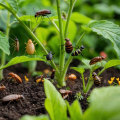
As summer temperatures rise, so does the activity of summer pests.Insects such as aphids, spider mites, and whiteflies thrive in the heat, making it essential for gardeners to implement effective pest management strategies to protect their plants.One of the most effective ways to manage pests during hot weather is through regular monitoring. Check your plants frequently for signs of infestation, such as discolored leaves or visible insects. Early detection can prevent a small problem from becoming a larger one.
Organic Pest Control Methods
For those looking to maintain an organic garden, there are several organic pest control methods that can be employed:- Neem Oil: This natural pesticide disrupts the life cycle of pests and is safe for beneficial insects when used correctly.
- Insecticidal Soap: Effective against soft-bodied insects, insecticidal soap can be sprayed directly on affected plants.
- Companion Planting: Planting certain flowers or herbs alongside your vegetables can deter pests naturally. For example, marigolds are known to repel nematodes and aphids.
- Diatomaceous Earth: This powdery substance can be sprinkled around plants to create a barrier that is lethal to crawling insects.
Ensure your plants are well-watered but not overwatered, as stressed plants are more susceptible to infestations. Additionally, keeping your garden tidy by removing debris and dead plant material can eliminate potential hiding spots for pests.By implementing these strategies, you can effectively manage pest populations in your garden during the hot summer months, ensuring your plants remain healthy and productive.
Monitoring and Adjusting Care Throughout the Season
As summer progresses, the conditions in your garden can change rapidly, making seasonal garden monitoring essential for maintaining plant health. Regularly checking on your plants allows you to identify signs of stress, such as wilting leaves or discolored foliage, which can indicate that adjustments are necessary.1.Observe Weather Patterns
- Keep an eye on local weather forecasts to anticipate heat waves or unexpected rain. This information can help you adjust your watering schedule accordingly.
- During particularly hot days, consider providing shade for vulnerable plants using shade cloth or strategically placed garden structures.
2.Adjust Watering Routines
- Monitor soil moisture levels regularly.
Use a moisture meter or simply stick your finger into the soil to check for dryness.
- In extreme heat, increase the frequency of watering but ensure that you water deeply to encourage root growth.
- Water early in the morning or late in the evening to minimize evaporation and maximize absorption.
3.Fertilization and Soil Care
- As plants grow and temperatures rise, their nutrient needs may change. Consider using a slow-release fertilizer to provide consistent nourishment throughout the season.
- Regularly check soil pH and nutrient levels to ensure optimal growing conditions. Amend the soil as needed based on your findings.
4.Pest and Disease Monitoring
- Hot weather can lead to increased pest activity. Regularly inspect your plants for signs of infestation and take action promptly if you notice any issues.
- Implement organic pest control methods, such as introducing beneficial insects or using neem oil, to protect your garden without harsh chemicals.
Remember, proactive maintenance is key to a flourishing garden!
Frequently Asked Questions About Summer Garden Care
As summer approaches, many gardeners find themselves asking how to best protect their plants from the intense heat. Here are some frequently asked questions regarding summer garden care:What are the signs that my plants are suffering from heat stress?
Plants experiencing heat stress may exhibit several symptoms, including:- Wilting leaves, even after watering
- Leaf scorch, where edges turn brown and crispy
- Stunted growth or slow development
- Falling flowers or fruit drop
How often should I water my garden during the summer?
The frequency of watering depends on various factors such as plant type, soil type, and weather conditions. Generally, it’s advisable to:- Water deeply and less frequently, aiming for about 1-2 inches of water per week.
- Water early in the morning or late in the evening to minimize evaporation.
- Check soil moisture by sticking your finger about an inch into the soil; if it feels dry, it’s time to water.
What mulching techniques can help retain moisture?
Mulching is an effective way to keep your garden cool and retain moisture. Consider these tips:- Use organic materials like straw, wood chips, or shredded leaves.
- Apply a layer of mulch about 2-4 inches thick around your plants.
- Avoid piling mulch against plant stems to prevent rot.
Are there specific plants that handle summer heat better?
Certain plants are more resilient to high temperatures.Look for drought-tolerant varieties, such as:
- Sedum
- Lantana
- Aloe Vera
- Zinnias
Conclusion: Key Takeaways for a Thriving Summer Garden
As we wrap up our discussion on protecting your garden from the harsh summer heat, it's essential to remember that seasonal garden care is not just a one-time effort but an ongoing commitment. By implementing the strategies outlined in this article, you can ensure that your garden remains vibrant and healthy throughout the summer months.- Mulching: Applying a layer of mulch around your plants helps retain moisture and regulate soil temperature, providing a protective barrier against extreme heat.
- Watering Wisely: Deep watering during the cooler parts of the day encourages root growth and minimizes evaporation, making it a crucial part of your summer watering routine.
- Shade Solutions: Utilizing shade cloths or strategically placing taller plants can shield more vulnerable species from direct sunlight, reducing stress on your garden.
- Soil Health: Regularly amending your soil with organic matter not only improves its structure but also enhances its ability to retain moisture, which is vital during hot spells.