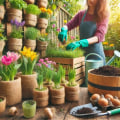
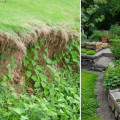
As the summer sun blazes down, maintaining a vibrant garden can become a daunting task. The heat not only stresses plants but also increases the demand for water, making water conservation an essential practice for any gardener. Understanding the importance of conserving water during this season is crucial, not just for the health of your plants but also for the sustainability of our precious water resources. In many regions, summer brings about a significant drop in rainfall, leading to dry spells that can threaten the vitality of your garden. This is where seasonal garden care comes into play.
By implementing effective water-saving techniques, you can ensure that your garden thrives even in the hottest months. Not only does this help in preserving water, but it also reduces your gardening costs and minimizes the environmental impact. Moreover, practicing water conservation in your garden fosters a deeper connection with nature. It encourages you to be more mindful of how you use resources and promotes sustainable gardening practices that can benefit both your plants and the ecosystem. As we delve into various strategies for conserving water in your garden this summer, remember that every drop counts and that small changes can lead to significant improvements.
Assessing Your Garden's Water Needs
Understanding your garden's specific water needs is essential for effective seasonal garden care.Different plants have varying requirements based on their species, size, and growth stage. Here are some steps to help you assess your garden's water needs:
- Identify Plant Types: Start by categorizing your plants into groups based on their water requirements. For instance, succulents and drought-tolerant plants need significantly less water than tropical plants or vegetables.
- Observe Soil Moisture: Check the moisture level of your soil regularly. Stick your finger about an inch into the soil; if it feels dry, it’s time to water.
This simple test can help you avoid overwatering.
- Consider Plant Size and Age: Newly planted seedlings often require more frequent watering compared to established plants. As plants grow, their root systems expand, allowing them to access deeper moisture in the soil.
- Monitor Weather Conditions: Keep an eye on local weather forecasts. Hot, dry spells will increase your garden's water needs, while cooler, rainy days may reduce them. Adjust your watering schedule accordingly.
- Utilize Mulching: Applying a layer of mulch around your plants can help retain soil moisture and reduce evaporation.
This not only conserves water but also suppresses weeds that compete for moisture.
Implementing Efficient Watering Techniques
To effectively conserve water in your garden during the summer, implementing efficient watering techniques is essential. These methods not only reduce water waste but also ensure that your plants receive the hydration they need to thrive.Drip Irrigation
One of the most effective ways to water your garden is through drip irrigation. This system delivers water directly to the roots of your plants, minimizing evaporation and runoff.By using a network of tubing and emitters, you can control the amount of water each plant receives, making it an ideal choice for seasonal garden care. Additionally, drip irrigation can be automated with timers, allowing for consistent watering schedules.
Soaker Hoses
If drip irrigation seems too complex, consider using soaker hoses. These porous hoses allow water to seep out slowly along their length, providing a gentle and efficient watering method. Lay them out in your garden beds and connect them to a water source.Like drip irrigation, soaker hoses can be used with timers to ensure that your plants are watered at optimal times.
Timing Your Watering Schedule
The timing of your watering can significantly impact water conservation. Watering early in the morning or late in the evening reduces evaporation caused by the sun's heat. Aim to water your garden when temperatures are cooler, which allows more moisture to reach the roots rather than evaporating into the air.Mulching
In addition to these watering methods, applying a layer of mulch around your plants can help retain soil moisture. Mulch acts as an insulator, keeping the soil cool and reducing evaporation rates.Organic mulches like wood chips or straw not only conserve water but also improve soil health as they decompose.By incorporating these efficient watering techniques, you can maintain a healthy garden while conserving precious water resources during the hot summer months.
Choosing Drought-Resistant Plants
One of the most effective strategies for seasonal garden care during the hot summer months is to choose drought-resistant plants. These plants are specifically adapted to thrive in low-water conditions, making them ideal for conserving water while still providing beauty and functionality in your garden.Benefits of Drought-Resistant Plants
- Water Conservation: Drought-resistant plants require significantly less water than traditional garden plants, helping to reduce overall water usage.
- Low Maintenance: Many drought-tolerant species are also low-maintenance, requiring less frequent watering, fertilizing, and pruning.
- Soil Health: These plants often have deep root systems that improve soil structure and health, allowing for better water retention.
Examples of Drought-Resistant Plants
- Sedum: This succulent is not only visually appealing but also thrives in dry conditions.
- Lavender: Known for its fragrant blooms, lavender is a hardy plant that requires minimal watering once established.
- Agave: With its striking architectural form, agave is perfect for xeriscaping and can survive on very little water.
- Echinacea (Coneflower): This perennial is not only drought-tolerant but also attracts pollinators to your garden.
- Russian Sage: A beautiful addition with silvery foliage and purple flowers, it thrives in dry soil conditions.
Mulching: A Simple Yet Effective Solution
One of the most effective methods for conserving water in your garden during the summer is through mulching.This simple yet powerful technique not only helps retain soil moisture but also reduces evaporation, making it an essential part of seasonal garden care.
Benefits of Mulching
- Moisture Retention: Mulch acts as a barrier, preventing water from evaporating quickly from the soil surface. This means your plants can access moisture for a longer period, reducing the need for frequent watering.
- Weed Suppression: A thick layer of mulch can inhibit weed growth, which competes with your plants for water and nutrients.
- Soil Temperature Regulation: Mulch helps maintain a consistent soil temperature, protecting plant roots from extreme heat.
- Nutrient Enrichment: Organic mulches break down over time, adding valuable nutrients back into the soil.
How to Mulch Effectively
To achieve the best results with mulching, follow these steps:- Choose the Right Type of Mulch: There are various types of mulch available, including organic options like wood chips, straw, and grass clippings, as well as inorganic options like gravel or landscape fabric. Organic mulches are generally preferred for their added benefits to soil health.
- Prepare the Soil: Before applying mulch, ensure that the soil is well-aerated and free of weeds. Water the area thoroughly to provide a good foundation for your plants.
- Apply the Mulch: Spread a layer of mulch 2-4 inches thick around your plants, keeping it a few inches away from plant stems to prevent rot.
This thickness will help maximize moisture retention while allowing air circulation.
- Maintain Your Mulch: Check your mulch regularly and replenish it as needed to maintain its effectiveness throughout the summer season.
Creating a Rainwater Harvesting System
Implementing a rainwater harvesting system in your garden is an effective way to conserve water, especially during the hot summer months. This sustainable practice not only reduces your reliance on municipal water supplies but also helps in managing stormwater runoff.Here’s how to set up a simple rainwater harvesting system:- Choose Your Collection Method: Decide whether you want to use a rain barrel or a more extensive system with cisterns. For beginners, a rain barrel is an excellent starting point.
- Select a Location: Place your rain barrel under a downspout from your roof.
Ensure it’s on a stable surface and elevated slightly to make it easier to fill watering cans or hoses.
- Install the Rain Barrel: Connect the downspout to the rain barrel using a diverter kit, which allows water to flow into the barrel while preventing overflow. Make sure to include a screen on top to keep debris and insects out.
- Set Up an Overflow System: Attach an overflow hose to direct excess water away from the foundation of your home. This will prevent flooding and ensure that your garden benefits from any extra rainfall.
- Utilize Collected Water: Use the harvested rainwater for irrigation during dry spells. It’s perfect for watering plants, filling bird baths, or even washing garden tools.
- Cost-effective: Reduces your water bill by utilizing free water from nature.
- Environmentally friendly: Helps reduce stormwater runoff and decreases the demand on local water supplies.
- Nutrient-rich: Rainwater is often softer and contains fewer chemicals than tap water, making it ideal for plants.
Soil Health: The Foundation of Water Conservation
Maintaining soil health is crucial for effective water conservation in your garden, especially during the hot summer months.Healthy soil not only supports plant growth but also enhances the soil's ability to retain moisture, reducing the need for frequent watering.One of the most effective ways to improve soil quality is through composting. Adding organic matter to your soil helps create a rich environment that retains moisture. Compost improves soil structure, allowing it to hold water more effectively while also providing essential nutrients for your plants.In addition to compost, consider using soil amendments such as peat moss or vermiculite. These materials can significantly enhance the soil's water-holding capacity.
When mixed into your garden beds, they create air pockets that trap moisture and prevent it from evaporating too quickly.
- Mulching: Applying a layer of organic mulch around your plants can help reduce evaporation and keep the soil cool.
- Soil Testing: Conducting a soil test can help you understand its composition and pH levels, allowing you to make informed decisions about necessary amendments.
- Cover Crops: Planting cover crops during the off-season can improve soil structure and prevent erosion, which contributes to better moisture retention.
Utilizing Technology for Smart Water Management
In the quest for effective seasonal garden care, leveraging modern technology can significantly enhance water management practices. One of the most impactful innovations in this area is the use of smart irrigation systems. These systems are designed to optimize water usage by adjusting the watering schedule based on real-time weather data and soil moisture levels.Smart irrigation systems
utilize sensors and automated controls to ensure that your garden receives the right amount of water at the right time.For instance, if rain is forecasted, these systems can delay watering, preventing over-saturation and conserving precious resources. This not only helps in reducing water waste but also promotes healthier plant growth by preventing root rot and other moisture-related issues.Another valuable tool in modern gardening is the moisture sensor. These devices measure the moisture content in the soil and provide feedback on when to water. By integrating moisture sensors with your irrigation system, you can create a highly efficient watering schedule tailored to your garden's specific needs.
This technology allows gardeners to avoid the guesswork often associated with traditional watering methods.
- Benefits of Smart Water Management:
- Water Conservation: Reduces unnecessary water usage.
- Cost Efficiency: Lowers water bills by optimizing usage.
- Healthier Plants: Ensures plants receive adequate moisture without overwatering.
- Types of Smart Irrigation Technologies:
- Drip Irrigation: Delivers water directly to the plant roots.
- Sprinkler Systems: Can be programmed for specific times and durations.
- Soil Moisture Sensors: Provide real-time data for informed watering decisions.
FAQs About Water Conservation in Summer Gardens
As summer heats up, many gardeners find themselves asking how to effectively conserve water while maintaining a healthy garden. Here are some frequently asked questions that can help you implement water conservation strategies in your summer garden.What are the best times to water my garden?
Watering your garden during the early morning or late evening is ideal. This timing minimizes evaporation and allows plants to absorb moisture more effectively.Avoid watering during the hottest part of the day, as much of the water will evaporate before it reaches the roots.
How can I reduce water evaporation from the soil?
- Mulching: Apply a layer of organic mulch, such as straw or wood chips, around your plants. This helps retain soil moisture and reduces evaporation.
- Soil amendments: Incorporate materials like compost or peat moss into your soil to improve its water retention capabilities.
Are there specific plants that require less water?
Yes! Consider incorporating drought-resistant plants into your garden. Native plants are often well-adapted to local climates and require less water once established. Examples include:- Sedums
- Lavender
- Agave
How can I collect rainwater for my garden?
Setting up a rain barrel is an excellent way to collect rainwater for irrigation.Position the barrel under a downspout to capture runoff from your roof. This not only conserves water but also reduces your water bill.
What irrigation methods are most efficient?
Drip irrigation systems deliver water directly to the plant roots, minimizing waste and evaporation. Alternatively, soaker hoses can also be effective for watering garden beds without soaking the foliage.By implementing these strategies, you can significantly reduce water usage in your summer garden while ensuring that your plants thrive throughout the season.Conclusion: Embracing Sustainable Gardening Practices
In conclusion, conserving water in your garden during the summer season is not just a necessity but a vital aspect of seasonal garden care. By implementing the strategies discussed, you can significantly reduce water usage while maintaining a vibrant and healthy garden.Here are some key takeaways:
- Mulching: Applying a layer of organic mulch around your plants helps retain soil moisture, reduces evaporation, and suppresses weeds.
- Drip Irrigation: Utilizing a drip irrigation system allows for targeted watering, ensuring that water reaches the roots directly without waste.
- Native Plants: Choosing drought-resistant native plants can greatly reduce your garden's water needs, as these species are adapted to thrive in local conditions.
- Watering Schedule: Watering early in the morning or late in the evening minimizes evaporation and ensures that more water penetrates the soil.
- Rainwater Harvesting: Collecting rainwater in barrels provides an eco-friendly source of irrigation that can be used during dry spells.