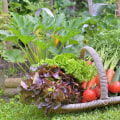
Caring for a seasonal garden is not just about planting flowers and vegetables; it requires a thoughtful approach to garden maintenance that aligns with the changing seasons. Understanding the unique needs of your garden throughout the year is crucial for fostering healthy plants and achieving a vibrant landscape. Each season brings its own set of challenges and opportunities, making it essential for gardeners to adapt their care strategies accordingly. One of the most significant aspects of seasonal garden care is recognizing the importance of timing. For instance, spring is often seen as the prime time for planting, but it also requires careful attention to soil preparation and pest management.
Similarly, fall is not just about harvesting; it’s also a critical period for preparing your garden for winter. By understanding these seasonal rhythms, you can avoid common pitfalls that lead to poor plant health and wasted effort. In this article, we will delve into some common mistakes that gardeners make when caring for their seasonal gardens. By highlighting these missteps, we aim to equip you with practical seasonal gardening tips that will enhance your gardening experience and yield better results. Whether you are a novice or an experienced gardener, being aware of these potential errors can help you cultivate a thriving garden that flourishes throughout the year.
Mistake #1: Ignoring Soil Health
One of the most critical aspects of seasonal garden care is maintaining soil health.Many gardeners underestimate the importance of healthy soil, often leading to poor plant growth and disappointing yields. Ignoring soil health can result in nutrient deficiencies, poor drainage, and an imbalance of pH levels, all of which can severely impact your garden's productivity.
Common Misconceptions About Soil Care
- All soil is the same: This is a prevalent myth. Different plants require different soil types, and understanding your garden's specific needs is crucial.
- Soil doesn't need attention: Many believe that once soil is prepared, it doesn't require further care. In reality, soil health can change over time due to plant growth and environmental factors.
- Organic matter isn't necessary: Some gardeners think that synthetic fertilizers are sufficient.
However, organic matter plays a vital role in improving soil structure and fertility.
The Importance of Soil Testing
Regular soil testing is essential for understanding the nutrient composition and pH level of your garden's soil. Testing helps identify deficiencies or excesses in nutrients, allowing you to make informed decisions about soil amendments. This proactive approach ensures that your plants receive the right nutrients at the right time, promoting healthy growth.
Soil Amendments: A Key to Success
Incorporating soil amendments, such as compost or well-rotted manure, can significantly enhance soil health. These organic materials improve soil structure, increase moisture retention, and provide essential nutrients.
Additionally, they promote beneficial microbial activity, which is crucial for nutrient cycling in the soil.In conclusion, neglecting soil health can lead to a cascade of problems in your seasonal garden. By prioritizing soil care through regular testing and appropriate amendments, you can create a thriving environment for your plants and enjoy a bountiful harvest.
Mistake #2: Overwatering or Underwatering Plants
When it comes to seasonal garden care, one of the most common mistakes gardeners make is mismanaging the watering of their plants. Both overwatering and underwatering can lead to serious issues, affecting plant health and growth.Signs of Overwatering:
- Yellowing Leaves: If the leaves of your plants start turning yellow, it may indicate that they are receiving too much water.
- Mold or Fungus: Excess moisture can lead to mold growth in the soil or on the plant itself.
- Wilting: Ironically, overwatered plants can also wilt due to root rot, which prevents them from absorbing nutrients.
Signs of Underwatering:
- Crispy Leaves: Leaves that feel dry and crispy are a clear sign that your plants need more water.
- Drooping: Plants that droop or appear lifeless are often suffering from a lack of moisture.
- Soil Cracking: If the soil is cracking or pulling away from the edges of the pot, it’s time to water.
Irrigation Tips for Seasonal Gardens:
- Know Your Plants: Different plants have varying water needs. Research the specific requirements for each type in your garden.
- Check Soil Moisture: Before watering, check the soil moisture by sticking your finger about an inch into the soil.
If it feels dry, it’s time to water.
- Water Deeply and Infrequently: Instead of frequent shallow watering, aim for deep watering sessions that encourage roots to grow deeper into the soil.
- Use Mulch: Applying a layer of mulch can help retain soil moisture and reduce evaporation, making your watering efforts more effective.
Mistake #3: Planting at the Wrong Time
One of the most critical aspects of seasonal garden care is adhering to the appropriate planting schedule. Planting at the wrong time can lead to a host of problems, including poor germination rates, stunted growth, and even plant death. Understanding the seasonal planting times for your specific region is essential for a thriving garden.Each plant species has its own ideal planting window, which is influenced by factors such as temperature, frost dates, and soil conditions. For instance, cool-season crops like lettuce and peas thrive in cooler temperatures and should be planted early in the spring or late in the summer for a fall harvest.Conversely, warm-season crops like tomatoes and peppers require warmer soil and should be planted after the last frost date.
Utilizing a Gardening Calendar
A gardening calendar can be an invaluable tool for ensuring you plant at the right time. These calendars provide specific dates for when to sow seeds indoors, transplant seedlings outdoors, and direct sow seeds into the garden. By following a gardening calendar tailored to your local climate, you can avoid the pitfalls of premature or delayed planting.- Research Local Frost Dates: Knowing your area's average last frost date in spring and first frost date in fall will help you plan your planting schedule effectively.
- Consider Soil Temperature: Some seeds require specific soil temperatures to germinate. Use a soil thermometer to check if conditions are suitable before planting.
- Observe Weather Patterns: Keep an eye on long-term weather forecasts.
Sudden cold snaps or heat waves can impact your planting decisions.
Mistake #4: Neglecting Pest Control
One of the most significant oversights in seasonal garden care is the failure to implement effective pest control strategies. Many gardeners underestimate the impact that pests can have on their plants, leading to diminished yields and unhealthy growth. Proactive management is essential to maintaining a thriving garden.Common Garden Pests
- Aphids: These small insects can quickly multiply and sap the vitality of your plants.
- Spider Mites: Often found in dry conditions, they can cause significant damage by feeding on plant sap.
- Slugs and Snails: These pests are notorious for feasting on young seedlings and tender leaves.
- Whiteflies: Similar to aphids, they can weaken plants by sucking out their juices.
Here are some common mistakes gardeners make regarding pest control in gardens:
- Waiting Too Long to Act: Many gardeners wait until they notice visible damage before taking action. Early detection is key; regularly inspect your plants for signs of pest activity.
- Overusing Chemicals: Relying solely on chemical pesticides can harm beneficial insects and disrupt the ecosystem. Instead, consider integrating organic pest management techniques.
- Lack of Diversity: Planting a variety of species can help deter pests. Monocultures are more susceptible to infestations.
- Neglecting Soil Health: Healthy soil leads to robust plants that are better equipped to resist pests.
Regularly amend your soil with organic matter.
Organic Pest Management Strategies
Implementing organic methods not only protects your garden but also promotes a healthier environment. Some effective strategies include:
- Companion Planting: Certain plants can repel pests or attract beneficial insects that prey on harmful ones.
- Natural Predators: Encourage birds, ladybugs, and other natural predators in your garden to help keep pest populations in check.
- Homemade Remedies: Solutions like neem oil or insecticidal soap can effectively manage pest issues without harming beneficial organisms.
Mistake #5: Failing to Rotate Crops
One of the most significant mistakes in seasonal garden care is the failure to implement crop rotation. This practice involves changing the types of crops grown in a particular area of your garden each season, which can lead to numerous benefits for both soil health and pest management.Benefits of Crop Rotation
- Improved Soil Health: Different plants have varying nutrient requirements. By rotating crops, you can prevent nutrient depletion and promote a more balanced soil ecosystem.
- Pest and Disease Control: Many pests and diseases are crop-specific.
Rotating crops disrupts their life cycles, reducing the likelihood of infestations and outbreaks.
- Enhanced Biodiversity: Introducing a variety of plants can attract beneficial insects and pollinators, contributing to a healthier garden overall.
Common Crop Rotation Mistakes
- Not Planning Ahead: Failing to create a rotation plan can lead to confusion and unintentional repetition of crops in the same area.
- Ineffective Crop Grouping: Not grouping plants by family or nutrient needs can diminish the benefits of rotation. For example, planting legumes after heavy feeders like tomatoes can replenish nitrogen in the soil.
- Ignoring Soil Conditions: Each crop has specific soil requirements. Neglecting to consider these needs can result in poor growth and yield.
By avoiding these common mistakes, you can ensure a thriving seasonal garden that remains healthy year after year.
Mistake #6: Not Considering Sunlight Requirements
One of the most critical aspects of seasonal garden care is understanding the sunlight needs for plants. Each plant species has its own specific requirements for sunlight exposure, and failing to consider these can lead to stunted growth or even plant death. For instance, some plants thrive in full sun, requiring at least six hours of direct sunlight daily, while others prefer partial shade and can suffer if exposed to too much direct light.When planning your garden layout, it’s essential to assess the sunlight patterns in your yard throughout the day. Here are some common garden sunlight mistakes to avoid:- Ignoring Sun Patterns: Observe how sunlight moves across your garden space.
Areas that receive morning sun may differ significantly from those that get afternoon sun.
- Planting Sun-Loving Plants in the Shade: Placing sun-loving plants like tomatoes or peppers in shaded areas can lead to poor yields and weak plants.
- Overcrowding Plants: When plants are too close together, they can block each other’s access to sunlight, leading to competition and inadequate growth.
- Not Adjusting for Seasonal Changes: As seasons change, so do sunlight angles. What may be a sunny spot in spring could become shaded in summer as trees and shrubs leaf out.
- Research Plant Needs: Before planting, research each plant’s specific sunlight requirements and group them accordingly.
- Create Zones: Designate areas of your garden based on sunlight exposure—full sun, partial shade, and full shade—to make planting decisions easier.
- Use Vertical Space: Consider vertical gardening techniques to maximize light exposure for lower-growing plants by placing taller plants where they won’t overshadow others.
Mistake #7: Overlooking Seasonal Changes in Weather
One of the most significant mistakes gardeners make is overlooking seasonal changes in weather. Each season brings its own set of challenges and opportunities that can greatly impact the health and productivity of your garden.Understanding how to adapt your seasonal garden care practices to these changes is crucial for success.
Impact of Weather on Gardening
- Temperature fluctuations: Sudden drops or rises in temperature can stress plants, leading to stunted growth or even death. For instance, a late frost can damage tender seedlings, while an unexpected heatwave can cause wilting.
- Precipitation patterns: Seasonal rains can either be a blessing or a curse. Too much rain can lead to waterlogged soil and root rot, while too little can cause drought stress. Adjusting your watering schedule based on rainfall is essential.
- Wind and humidity: High winds can physically damage plants, while humidity levels affect disease prevalence.
Knowing your local climate helps you prepare for these factors.
Adapting Gardening Practices
To effectively manage your garden through seasonal changes, consider the following:
- Monitor local weather forecasts: Stay informed about upcoming weather patterns to make timely adjustments in your gardening routine.
- Choose appropriate plants: Select varieties that are well-suited for your climate zone. Native plants often require less maintenance and are more resilient to local weather conditions.
- Implement protective measures: Use row covers, mulch, or windbreaks to shield plants from extreme weather events.
- Adjust planting schedules: Timing is everything. Planting too early or too late can lead to poor results. Follow seasonal guidelines for your specific region.
Frequently Asked Questions About Seasonal Garden Care Mistakes
When it comes to seasonal garden care, many gardeners have questions about common mistakes and how to avoid them.Here are some frequently asked questions that can help you enhance your gardening experience:
What are the most common mistakes in seasonal garden care?
- Overwatering: One of the biggest mistakes is overwatering plants, which can lead to root rot and other issues. Always check the soil moisture before watering.
- Ignoring soil health: Neglecting to test and amend your soil can result in poor plant growth. Regularly check pH levels and nutrient content.
- Planting at the wrong time: Timing is crucial in seasonal garden care. Planting too early or too late can hinder growth and yield.
- Not rotating crops: Failing to rotate crops can deplete soil nutrients and increase pest problems.
Plan your garden layout to include crop rotation.
How can I prevent pests in my seasonal garden?
Preventing pests is essential for a healthy garden. Here are some tips:- Encourage beneficial insects: Attract ladybugs and lacewings by planting flowers like marigolds and dill.
- Use organic repellents: Consider using neem oil or insecticidal soap as a natural way to deter pests.
- Regular inspections: Frequently check your plants for signs of pests or disease, allowing for early intervention.
What should I do if my plants are not thriving?
If your plants are struggling, consider the following:- Assess sunlight exposure: Ensure your plants are receiving adequate sunlight based on their specific needs.
- Check for diseases: Look for signs of disease such as discoloration or wilting, and take appropriate action.
- Review watering practices: Adjust your watering schedule based on weather conditions and plant requirements.
Conclusion: Key Takeaways for Successful Seasonal Garden Care
In conclusion, successful seasonal garden care hinges on understanding and avoiding common pitfalls that can hinder your garden's growth and health. By being mindful of these mistakes, you can create a thriving environment for your plants.- Neglecting Soil Health: Always prioritize soil quality. Regularly test your soil and amend it with organic matter to ensure it remains nutrient-rich.
- Overwatering or Underwatering: Striking the right balance in watering is crucial.
Monitor weather conditions and adjust your watering schedule accordingly to prevent root rot or drought stress.
- Ignoring Pest Management: Stay vigilant against pests. Implement integrated pest management strategies to protect your plants without relying solely on chemical pesticides.
- Planting at the Wrong Time: Timing is everything in gardening. Research the best planting times for your specific climate zone to maximize growth potential.
- Failure to Rotate Crops: Crop rotation helps prevent soil depletion and reduces pest buildup. Plan your garden layout to include different plant families each season.
Remember, gardening is a journey of learning; embrace the process and adapt as needed for the best results.