As the vibrant colors of summer fade and the air turns crisp, seasonal garden care becomes essential for any gardener looking to maintain a thriving outdoor space. Fall is not just a time for harvesting; it’s also an opportunity to prepare your garden for the upcoming winter months. Understanding the unique needs of your plants during this transitional season can make all the difference in ensuring their health and vitality. Incorporating fall gardening tips into your routine can help you select the right plants that will flourish in cooler temperatures. Many gardeners overlook the potential of fall planting, but this season offers a variety of options that can enhance your garden's beauty and productivity.
From hardy perennials to vibrant annuals, knowing which plants thrive in fall conditions is crucial for successful gardening. Moreover, plant care in fall involves more than just choosing the right species; it requires a thoughtful approach to soil preparation, watering schedules, and pest management. By taking the time to understand these elements, you can create a resilient garden that not only survives but thrives through the colder months. This article will guide you through the best practices for seasonal garden care, ensuring that your fall garden is both beautiful and bountiful.
Benefits of Planting in the Fall
Planting in the fall offers a multitude of benefits that can significantly enhance your garden's health and productivity. As temperatures begin to cool, plants experience less stress, allowing them to establish strong roots before the winter months. One of the primary advantages of autumn gardening is the reduced competition from weeds.With fewer weeds vying for nutrients and water, your newly planted seeds and seedlings can thrive without the added pressure of competing for resources. This leads to healthier plants that are better equipped to face the challenges of winter. Additionally, fall planting allows for improved root establishment. The soil retains warmth longer in the fall, which encourages root growth even as the air temperature drops. This means that by the time spring arrives, your plants will be well-rooted and ready to burst into growth when conditions become favorable. Moreover, many plants benefit from the natural cycle of dormancy that occurs in winter.
Perennials, for instance, can be planted in the fall and will often bloom more vigorously in the spring due to their established root systems. This timing also allows for a more vibrant garden as you transition into the growing season. In summary, planting in the fall not only provides a head start for your garden but also promotes healthier plants through reduced weed competition and enhanced root development. Embracing seasonal garden care during this time can lead to a flourishing garden come spring.
Best Vegetables to Plant in Fall
As the temperatures begin to cool, fall presents a unique opportunity for gardeners to plant a variety of vegetables that thrive in the crisp autumn air. Here are some of the best options to consider for your seasonal garden care.- Spinach: This leafy green is a fantastic choice for fall planting.
Spinach grows quickly and can tolerate frost, making it perfect for cooler temperatures. Plant seeds in well-drained soil and ensure they receive full sun for optimal growth.
- Kale: Known for its hardiness, kale can withstand cold weather and even improves in flavor after a frost. It prefers rich, well-drained soil and should be spaced adequately to allow for air circulation.
- Carrots: Fall is an excellent time to sow carrots, as they develop their sweetness in cooler weather. Plant seeds directly in the ground, ensuring they are covered lightly with soil.
Keep the soil moist but not waterlogged.
- Garlic: Planting garlic in the fall allows it to establish roots before winter sets in. Choose a sunny spot and plant individual cloves about 2 inches deep. Garlic will be ready for harvest by mid-summer.
- Radishes: These fast-growing vegetables can be sown in late summer or early fall. They thrive in cooler temperatures and can be harvested within weeks of planting.
Radishes prefer loose, well-drained soil.
- Soil Preparation: Ensure your soil is rich in organic matter by adding compost or well-rotted manure before planting.
- Watering: Regular watering is crucial, especially during dry spells. However, avoid overwatering to prevent root rot.
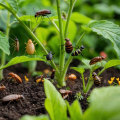
- Pest Management: Keep an eye out for pests that may thrive in cooler weather. Use organic pest control methods to protect your crops.
Ideal Flowers for Autumn Gardens
As the temperatures begin to cool and the days shorten, your garden can still burst with color and life.Planting fall flowers not only enhances the aesthetic appeal of your outdoor space but also supports local pollinators as they prepare for winter. Here are some ideal choices for your autumn garden:
- Asters: These vibrant blooms come in various colors, including purple, pink, and white. Asters thrive in cooler temperatures and can bloom well into late fall, providing a stunning display.
- Chrysanthemums: Often referred to as mums, these flowers are synonymous with fall. Available in a wide range of colors, they are perfect for adding warmth to your garden.
- Pansies: Known for their cheerful faces, pansies can withstand light frosts and continue to bloom throughout the fall.
They are available in numerous colors and patterns, making them a versatile choice.
- Ornamental Kale: While not a flower in the traditional sense, ornamental kale adds unique texture and color to your garden. Its vibrant leaves can range from green to deep purple, providing visual interest even as other plants fade.
- Snapdragons: These charming flowers can be planted in early fall for a late-season bloom. They come in various heights and colors, making them suitable for borders or mixed beds.
Additionally, ensure that you choose varieties that are suited to your local climate and soil conditions for optimal growth.Incorporating these flowers into your garden not only enhances its beauty but also allows you to enjoy a vibrant display well into the cooler months. With proper seasonal garden care, including adequate watering and mulching, your fall flowers will thrive and bring joy long after summer has ended.
Perennials to Consider for Fall Planting
As the temperatures begin to cool and the days shorten, fall presents a unique opportunity for gardeners to enhance their landscapes with perennial plants. Planting perennials in the fall not only allows them to establish strong root systems before winter but also ensures a vibrant garden come spring. Here are some excellent fall perennials to consider:- Chrysanthemums (Mums) : These classic fall flowers bloom in a variety of colors, adding warmth and vibrancy to your garden.
They thrive in well-drained soil and can last well into the cooler months.
- Asters : Known for their star-like flowers, asters are perfect for attracting pollinators. They bloom late in the season, providing essential nectar for bees and butterflies.
- Sedum (Stonecrop) : This drought-tolerant succulent is ideal for low-maintenance gardens. Its fleshy leaves store water, making it resilient during dry spells, and its late-season blooms offer a striking contrast against autumn foliage.
- Japanese Anemone : With delicate white or pink flowers, Japanese anemones add elegance to any garden. They thrive in partial shade and can create a beautiful display as other plants begin to fade.
- Heuchera (Coral Bells) : Known for their stunning foliage, heucheras come in various colors, from deep burgundy to bright lime green.
They provide year-round interest and are perfect for shaded areas.
Preparing Your Garden for Fall Planting
As the days grow shorter and temperatures begin to drop, preparing your garden for fall planting becomes essential for a successful seasonal garden.Proper preparation not only enhances soil quality but also ensures that your plants have the best chance to thrive during the cooler months.
1.Assess Your Soil
- Start by testing your soil's pH and nutrient levels. This will help you understand what amendments are necessary for optimal growth.
- Look for signs of compaction or poor drainage, which can hinder root development.
2.Amend the Soil
- Add organic matter such as compost or well-rotted manure to improve soil structure and fertility.
- If your soil is too acidic or alkaline, consider adding lime or sulfur to adjust the pH accordingly.
3.Clear Debris
- Remove any dead plants, weeds, or debris from your garden beds. This helps prevent pests and diseases from overwintering in your garden.
- Consider using a hoe or rake to break up any large clumps of soil, making it easier for new plants to establish roots.
4.Plan Your Planting Layout
- Choose plants that are well-suited for fall planting, such as kale, broccoli, and chrysanthemums. These varieties can withstand cooler temperatures and may even improve in flavor after a frost.
- Consider companion planting to maximize space and enhance growth.
For example, planting garlic alongside your fall vegetables can deter pests.
5.Water Wisely
- Ensure that your garden is adequately watered before the first frost. This helps plants establish strong roots before winter.
- Avoid overwatering; instead, focus on deep watering sessions that encourage roots to grow deeper into the soil.
Common Mistakes to Avoid When Planting in Fall
As the fall season approaches, many gardeners are eager to prepare their gardens for the cooler months. However, fall planting mistakes can hinder your efforts and lead to disappointing results. Here are some common pitfalls to avoid:- Planting Too Late: One of the most frequent errors is waiting too long to plant.
In many regions, the window for fall planting closes quickly as temperatures drop. Aim to plant at least 4-6 weeks before the first expected frost to give your plants enough time to establish roots.
- Ignoring Soil Preparation: Many gardeners overlook the importance of soil health. Failing to amend your soil with compost or organic matter can lead to poor drainage and nutrient deficiencies. Test your soil pH and nutrient levels, and make necessary adjustments before planting.
- Choosing the Wrong Plants: Not all plants thrive in fall.
Selecting varieties that are suited for cooler temperatures is crucial. Research hardy plants that can withstand frost and will continue to grow through the autumn months.
- Overwatering: As temperatures cool, plants require less water. Overwatering can lead to root rot and other issues. Monitor soil moisture levels and adjust your watering schedule accordingly.
- Neglecting Mulching: A common mistake is failing to apply mulch after planting.
Mulch helps retain soil moisture, suppress weeds, and regulate soil temperature. Apply a layer of organic mulch around your plants to protect them during the colder months.
FAQs About Fall Gardening and Seasonal Care
As the fall season approaches, many gardeners have questions about how to best care for their gardens. Here are some frequently asked questions regarding fall gardening and seasonal care.What should I do to prepare my garden for winter?
Preparing your garden for winter is crucial to ensure healthy growth in the spring.Start by:
- Cleaning up debris: Remove dead plants, leaves, and any other organic matter that can harbor pests or diseases.
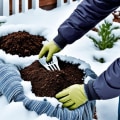
- Mulching: Apply a layer of mulch to protect the soil and retain moisture.
- Soil amendment: Consider adding compost or organic fertilizers to enrich the soil.
What types of plants are best for fall planting?
Fall is an excellent time to plant certain types of plants that thrive in cooler temperatures. Consider:- Perennials: Many perennials, such as sedum, aster, and chrysanthemums, can be planted in the fall.
- Bulbs: Fall is the perfect time to plant spring-flowering bulbs like daffodils, tulips, and hyacinths.
- Vegetables: Cool-season vegetables like kale, spinach, and broccoli can be sown in late summer for a fall harvest.
How do I protect my plants from frost?
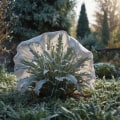
Frost can be detrimental to your garden, but there are several ways to protect your plants:- Covers: Use frost cloths or old sheets to cover sensitive plants during cold nights.
- Mulching: A thick layer of mulch can help insulate the soil and protect roots from freezing.
- Potted plants: Move potted plants indoors or to a sheltered location when frost is expected.