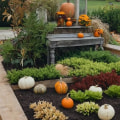
As the vibrant colors of summer fade and the crisp air of fall settles in, seasonal garden care becomes paramount for maintaining a healthy and thriving garden. The transition into fall is not just a time for harvesting; it is also a critical period for preparing your garden to withstand the challenges of winter. Understanding how to care for your garden during this season can significantly reduce the risk of garden diseases that often thrive in cooler, damp conditions. One of the key aspects of fall gardening tips is recognizing that many plant diseases can linger in your garden, waiting for the right conditions to spread. As leaves begin to drop and moisture levels rise, pathogens can easily take hold if proper precautions are not taken.
This is why implementing effective disease prevention strategies during this time is essential. By focusing on practices such as proper sanitation, crop rotation, and timely pruning, you can create an environment that discourages disease development. Moreover, fall is an excellent opportunity to assess your garden's health and make necessary adjustments. Regularly inspecting plants for signs of disease or distress allows you to act swiftly before issues escalate. By prioritizing seasonal garden care, you not only protect your current plants but also set the stage for a more robust garden come spring.
Embracing these practices will ensure that your garden remains a flourishing sanctuary, even as the seasons change.
Common Garden Diseases in the Fall
As the fall season approaches, gardeners must be vigilant about common garden diseases that can threaten their plants. The cooler temperatures and increased moisture create an ideal environment for various pathogens to thrive. Understanding these diseases is crucial for effective seasonal garden care.- Powdery Mildew: This fungal disease appears as a white, powdery coating on leaves and stems. It thrives in warm, dry conditions but can also develop in humid environments.
To prevent its spread, ensure good air circulation around plants and avoid overhead watering.
- Botrytis Blight: Also known as gray mold, this disease affects a wide range of plants, particularly in damp conditions. It manifests as fuzzy gray spots on flowers and leaves. To combat Botrytis Blight, remove any infected plant material and avoid watering late in the day.
- Leaf Spot: Leaf spot diseases can be caused by various fungi and bacteria, leading to dark spots on leaves that may eventually cause them to yellow and drop. Regularly inspect your plants for early signs of leaf spot and remove affected leaves promptly.
- Rust: Rust diseases are characterized by orange or rust-colored pustules on the undersides of leaves.
They can weaken plants significantly if not managed. To prevent rust, practice crop rotation and ensure proper spacing between plants to enhance airflow.
Best Practices for Fall Garden Maintenance
As the fall season approaches, seasonal garden care becomes crucial in preventing the spread of diseases in your garden. Implementing effective fall garden maintenance practices can significantly reduce the risk of pathogens taking hold.Here are some essential tips to keep your garden healthy:
- Clean Your Tools: Before and after each use, ensure that your gardening tools are thoroughly cleaned. Use a solution of one part bleach to nine parts water to disinfect tools, especially those that have come into contact with diseased plants.
- Remove Plant Debris: Fallen leaves, dead plants, and other organic matter can harbor diseases. Regularly clear your garden beds and pathways of any debris to minimize the risk of disease spread.
- Practice Crop Rotation: If you grow vegetables, consider rotating your crops each year. This practice helps prevent soil-borne diseases from accumulating in one area.
- Mulch Wisely: Applying a layer of mulch can help suppress weeds and retain moisture, but be cautious with organic mulches.
Ensure they are free from pathogens and diseases before application.
- Monitor for Pests: Keep an eye out for pests that can transmit diseases. Early detection and management can prevent larger outbreaks later in the season.
Soil Health and Disease Prevention
Maintaining healthy soil is crucial for preventing diseases in your garden, especially during the fall season when plants are preparing for dormancy. The quality of your soil directly influences plant health, making it essential to focus on soil management practices that enhance its structure and nutrient content.One effective way to improve soil health is through the addition of organic matter.Incorporating well-rotted compost or aged manure can significantly boost soil fertility and microbial activity. This not only provides essential nutrients but also improves soil structure, allowing for better drainage and aeration.
- Test Your Soil: Conduct a soil test to determine pH levels and nutrient deficiencies. This will help you make informed decisions about amendments needed to optimize soil health.
- Add Organic Matter: As mentioned, adding compost or other organic materials can enhance soil quality. Aim for a layer of 2-3 inches spread evenly across your garden beds.
- Practice Crop Rotation: Rotating crops each season can prevent the buildup of pathogens in the soil.
Different plants have varying nutrient needs and pest profiles, which helps maintain a balanced ecosystem.
- Avoid Soil Compaction: Limit foot traffic in garden areas to prevent soil compaction, which can hinder root growth and water infiltration.
Choosing Disease-Resistant Plants for Your Garden
One of the most effective strategies for preventing diseases in your garden during the fall season is to choose disease-resistant plants.Selecting the right varieties not only enhances the health of your garden but also reduces the need for chemical treatments, making your gardening practices more sustainable.When selecting plants for your fall garden, consider the following tips:
- Research Plant Varieties: Look for plants that are specifically bred for disease resistance. Many seed catalogs and nurseries provide information on which varieties are less susceptible to common diseases.
- Consult Local Extension Services: Your local agricultural extension office can offer valuable insights into which plants thrive in your area and are resistant to local diseases.
- Choose Native Plants: Native species are often more resilient to local pests and diseases, as they have adapted to the regional climate and soil conditions over time.
- Inspect for Health: When purchasing plants, inspect them carefully for any signs of disease or pest damage. Healthy plants are less likely to succumb to diseases.
For example, pairing certain vegetables with herbs can deter pests and reduce disease incidence.Finally, always keep in mind the importance of proper care. Even disease-resistant plants require adequate sunlight, water, and nutrients to thrive. By providing optimal growing conditions, you can further enhance their resilience against potential threats.
Watering Techniques to Minimize Disease Risk
Proper watering techniques are essential for maintaining a healthy garden, especially during the fall season when the risk of disease can increase. As temperatures drop and humidity levels fluctuate, understanding how to water your plants effectively can significantly minimize the spread of diseases.1.Water Early in the Day
- Watering in the morning allows plants to absorb moisture before the heat of the day, reducing evaporation.
- This practice also ensures that foliage dries quickly, which is crucial in preventing fungal diseases that thrive in damp conditions.
2.Use Deep Watering Techniques
- Instead of frequent shallow watering, aim for deep watering sessions that encourage roots to grow deeper into the soil.
- This method not only strengthens plants but also helps them withstand stress during cooler temperatures.
3.Avoid Overhead Watering
- Overhead watering can leave leaves wet for extended periods, creating an environment conducive to disease.
- Consider using drip irrigation or soaker hoses to deliver water directly to the soil, minimizing moisture on plant surfaces.
4.Monitor Soil Moisture
- Check soil moisture levels regularly to avoid overwatering, which can lead to root rot and other diseases.
- A simple finger test—digging a finger into the soil up to the second knuckle—can help determine if your plants need water.
5.Adjust Watering Based on Weather Conditions
- Be mindful of rainfall and adjust your watering schedule accordingly.
Overwatering during wet periods can exacerbate disease issues.
- In dry spells, ensure consistent moisture without saturating the soil.
Pest Management Strategies for Fall Gardens
As the fall season approaches, pest management becomes crucial for maintaining a healthy garden. With cooler temperatures, many pests seek refuge in gardens, making it essential to implement effective strategies to control them and prevent the spread of diseases.1.Regular Monitoring
- Inspect your plants regularly for signs of pest activity, such as chewed leaves or visible insects.
- Pay close attention to the undersides of leaves, where pests often hide.
2.Natural Predators
- Encourage beneficial insects like ladybugs and lacewings that feed on common garden pests.
- Plant flowers such as marigolds and dill to attract these natural predators.
3.Organic Pest Control
- Utilize organic solutions like neem oil or insecticidal soap to manage pest populations without harming beneficial insects.
- Apply these treatments during the early morning or late evening to minimize impact on pollinators.
4.Cultural Practices
- Rotate crops each season to disrupt pest life cycles and reduce infestations.
- Remove any dead or decaying plant material promptly, as it can harbor pests and diseases.
5.Physical Barriers
- Use row covers or netting to protect vulnerable plants from insect damage.
- Install traps for specific pests, such as sticky traps for flying insects.
Using Organic Treatments to Combat Diseases
As the fall season approaches, maintaining a healthy garden becomes crucial, especially when it comes to preventing the spread of diseases.Utilizing organic treatments not only helps in combating these issues but also supports an eco-friendly gardening approach. Here are some effective organic methods to consider:
- Neem Oil: Extracted from the seeds of the neem tree, this natural pesticide is effective against a variety of pests and diseases. It disrupts the life cycle of insects and can help control fungal infections.
- Baking Soda Spray: A simple mixture of baking soda and water can act as a fungicide. This treatment is particularly useful for powdery mildew and other fungal diseases.
Mix one tablespoon of baking soda with a gallon of water and spray on affected plants.
- Garlic Spray: Garlic has natural antifungal and antibacterial properties. To create a garlic spray, blend several cloves with water, strain the mixture, and apply it to your plants to deter pests and diseases.
- Companion Planting: Certain plants can naturally repel pests or attract beneficial insects. For example, planting marigolds alongside vegetables can deter nematodes and other harmful insects.
- Compost Tea: This nutrient-rich liquid can boost plant health and strengthen their resistance to diseases. Brew compost tea by steeping compost in water for several days, then use it to water your plants.
Regularly remove any dead or diseased plant material to minimize the risk of disease spread. Furthermore, rotating crops each season can help prevent soil-borne diseases from taking hold.By incorporating these organic gardening tips, you can effectively manage disease in your garden while promoting a sustainable environment. Remember that prevention is key; maintaining healthy soil and strong plants will make them less susceptible to disease in the first place.
FAQs About Preventing Diseases in Fall Gardens
As the fall season approaches, many gardeners have questions about how to effectively prevent diseases in their gardens. Here are some frequently asked questions that can help you maintain a healthy garden during this transitional period.- What are the most common diseases that affect gardens in the fall?
In the fall, gardens are susceptible to powdery mildew, rust, and botrytis blight.These diseases thrive in cooler temperatures and high humidity, making it essential to monitor your plants closely.
- How can I identify disease symptoms in my plants?
Look for signs such as yellowing leaves, wilting, or unusual spots. Early detection is key to preventing the spread of disease. - What preventive measures can I take?
Implementing good seasonal garden care practices is crucial. This includes: - Regularly cleaning up fallen leaves and debris to reduce disease spores.
- Avoiding overhead watering to minimize moisture on leaves.
- Ensuring proper spacing between plants for adequate air circulation.
- Applying organic fungicides as a preventive measure if necessary.
- Should I continue to fertilize my garden in the fall?
While it's important to provide nutrients, avoid high-nitrogen fertilizers late in the season as they can promote new growth that is more susceptible to disease. Instead, consider using a balanced fertilizer or compost to support root health. - Can companion planting help prevent diseases?
Yes! Certain plants can deter pests and diseases.For example, planting marigolds alongside vegetables can help repel harmful insects and reduce disease risk.
Conclusion: Key Takeaways for a Healthy Fall Garden
As the fall season approaches, it is crucial to implement effective strategies for seasonal garden care to prevent the spread of diseases in your garden. By taking proactive measures, you can ensure a healthy and thriving garden environment.- Regular Monitoring: Keep a close eye on your plants for any signs of disease or pest infestations. Early detection is key to managing potential outbreaks.
- Proper Cleanup: Remove any dead or diseased plant material promptly.
This helps eliminate potential sources of infection and reduces the risk of disease spreading to healthy plants.
- Soil Health: Test your soil and amend it as necessary. Healthy soil promotes strong plants that are more resistant to diseases.
- Crop Rotation: Practice crop rotation to prevent soil-borne diseases from taking hold. Changing the location of your plants each season can disrupt disease cycles.
- Mulching: Apply a layer of organic mulch around your plants. This not only conserves moisture but also helps suppress weeds that can harbor pests and diseases.
- Watering Techniques: Water your garden in the morning to allow foliage to dry throughout the day.
Avoid overhead watering, which can create a humid environment conducive to disease development.
- Pest Management: Implement integrated pest management (IPM) strategies to control pests without harming beneficial insects. This includes using natural predators and organic treatments when necessary.