Creating a sustainable garden is not just a trend; it’s a vital practice that contributes to the health of our planet. As we face increasing environmental challenges, adopting eco-friendly gardening methods becomes essential. Sustainable gardening focuses on working with nature rather than against it, promoting biodiversity, conserving resources, and reducing waste. By understanding and implementing these practices, you can cultivate a garden that thrives while also supporting the ecosystem. The importance of sustainable gardening extends beyond personal enjoyment.
It plays a crucial role in mitigating climate change, preserving water quality, and enhancing soil health. For instance, using native plants can reduce the need for chemical fertilizers and pesticides, as these plants are naturally adapted to local conditions and pests. Additionally, incorporating composting into your gardening routine not only enriches the soil but also minimizes landfill waste. These practices exemplify how gardening practices can align with environmental stewardship. Moreover, sustainable gardening fosters a deeper connection with nature.
It encourages gardeners to observe seasonal changes and adapt their care routines accordingly, leading to a more mindful approach to gardening. As you embark on your journey towards creating an eco-friendly garden this summer, remember that every small step counts. From choosing organic seeds to implementing water-saving techniques, each decision contributes to a healthier planet.
Planning Your Eco-Friendly Garden Layout
Creating a sustainable and eco-friendly garden layout is essential for maximizing your space and resources while minimizing your environmental impact. A well-thought-out design not only enhances the beauty of your garden but also promotes biodiversity and soil health.1.Assess Your Space
- Begin by evaluating the sunlight, shade, and wind patterns in your garden area.
This will help you determine the best locations for different plants.
- Consider the size and shape of your garden beds. Raised beds can be an excellent option for improving drainage and soil quality.
2.Companion Planting
Utilizing companion planting is a fantastic way to enhance your garden's productivity while reducing pests naturally. For example:
- Tomatoes thrive when planted alongside basil, as basil can repel harmful insects.
- Carrots and onions make great companions, as they can help deter each other's pests.
3.Crop Rotation
Implementing a crop rotation strategy is vital for maintaining soil health and preventing disease buildup. Rotate your crops each season to ensure that nutrients are replenished in the soil:
- Group plants by their nutrient needs—heavy feeders, light feeders, and nitrogen-fixers—to optimize soil fertility.
- This practice not only improves soil structure but also reduces the need for chemical fertilizers.
4.Incorporate Native Plants
Selecting native plants for your garden layout can significantly enhance its sustainability.
Native species are adapted to local conditions, requiring less water and maintenance:
- They provide habitat for local wildlife, including pollinators like bees and butterflies.
- Native plants often have natural resistance to local pests, reducing the need for pesticides.
Choosing Native and Drought-Resistant Plants
Creating a sustainable garden begins with the careful selection of native and drought-resistant plants. These plants are well-adapted to your local climate and soil conditions, making them easier to maintain and more resilient against pests and diseases.Benefits of Native Plants
- Low Maintenance: Native plants require less water, fertilizer, and pesticides compared to non-native species, which translates to lower maintenance costs and efforts.
- Support Local Wildlife: They provide essential habitats and food sources for local wildlife, including birds, butterflies, and beneficial insects.
- Soil Health: Native plants help improve soil structure and health by promoting beneficial microorganisms.
Drought-Resistant Plants
Drought-resistant plants are specifically chosen for their ability to thrive in low-water conditions. Incorporating these plants into your garden can significantly reduce your water usage during the hot summer months. Here are some popular options:
- Sedum: This succulent is known for its ability to store water and thrive in dry conditions.
- Lavender: Not only does it add a lovely fragrance, but lavender also requires minimal watering once established.
- Agave: With its striking appearance, agave is perfect for xeriscaping and can survive long periods without water.
Selecting the Right Plants
When choosing plants for your garden, consider the following:
- Research Local Species: Look for plants that are native to your region.
Local extension services or native plant societies can provide valuable resources.
- Assess Your Garden Conditions: Evaluate sunlight, soil type, and drainage in your garden to select plants that will thrive in those conditions.
- Diversity is Key: Incorporate a variety of species to create a balanced ecosystem that can withstand pests and diseases more effectively.
Soil Health: The Foundation of a Sustainable Garden
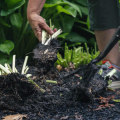
To create a sustainable and eco-friendly garden, soil health is paramount. Healthy soil not only supports plant growth but also contributes to the overall ecosystem. One of the most effective ways to enhance soil health is through composting.Composting
involves recycling organic waste, such as kitchen scraps and yard debris, into nutrient-rich soil amendments. This process not only reduces landfill waste but also enriches your garden soil with essential nutrients.To start composting, consider the following steps:
- Choose a compost bin: Select a bin that suits your space and needs, whether it’s a simple pile or a more structured bin.
- Add materials: Combine green materials (like vegetable scraps and grass clippings) with brown materials (such as dried leaves and cardboard) to create a balanced compost mix.
- Maintain moisture: Keep the compost moist but not soggy, turning it regularly to aerate and speed up decomposition.
- Harvest your compost: After several months, your compost will be ready to use when it resembles dark, crumbly soil.
- Manure: Well-aged manure from herbivores adds nitrogen and improves soil texture.
- Coconut coir: This sustainable material enhances water retention and aeration in the soil.
- Bone meal: A great source of phosphorus, bone meal supports root development and flowering.
- Worm castings: Rich in nutrients, worm castings boost plant growth and improve soil health.
Water Conservation Techniques for Summer Gardening
As summer approaches, conserving water becomes crucial for maintaining a healthy and vibrant garden.Implementing effective water conservation techniques not only helps the environment but also ensures your plants thrive during the hottest months. Here are some practical tips to consider:
- Drip Irrigation: This method delivers water directly to the roots of plants, minimizing evaporation and runoff. By using a drip irrigation system, you can significantly reduce water usage while ensuring your plants receive the moisture they need.
- Soaker Hoses: Similar to drip irrigation, soaker hoses allow water to seep slowly into the soil. Lay them out in your garden beds and cover them with mulch to enhance efficiency and reduce evaporation.
- Mulching: Applying a layer of organic mulch around your plants helps retain soil moisture, suppress weeds, and regulate soil temperature.
Materials like straw, wood chips, or grass clippings work well for this purpose.
- Rainwater Harvesting: Collecting rainwater is an excellent way to conserve water. Install rain barrels to capture runoff from your roof and use this water for irrigation. This not only reduces your reliance on municipal water but also utilizes a natural resource.
- Watering Schedule: Water your garden early in the morning or late in the evening when temperatures are cooler. This practice minimizes evaporation and allows more water to reach the roots of your plants.
Native species are often well-adapted to local conditions and can thrive with minimal irrigation.By incorporating these irrigation methods and summer gardening tips into your routine, you can create a sustainable garden that not only conserves water but also flourishes throughout the summer season.
Pest Management in an Eco-Friendly Garden
Creating a sustainable garden involves not only nurturing plants but also managing pests in a way that supports the ecosystem.Pest management
in an eco-friendly garden can be achieved through various natural strategies that minimize harm to beneficial insects and the environment.1.Encourage Beneficial Insects
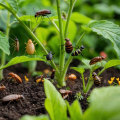
- Introduce ladybugs, lacewings, and parasitic wasps to your garden, as they prey on common pests like aphids and caterpillars.
- Plant flowers such as dill, yarrow, and marigolds to attract these helpful insects.
2.Use Organic Pest Control Methods
- Nematodes: These microscopic worms can be introduced into the soil to target soil-dwelling pests without harming plants.
- Neem oil: Extracted from the seeds of the neem tree, this natural pesticide disrupts the life cycle of pests while being safe for beneficial insects when used correctly.
- Diatomaceous earth: This powdery substance can be sprinkled around plants to deter soft-bodied insects by damaging their exoskeletons.
3.Implement Physical Barriers
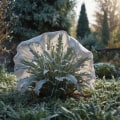
- Row covers: Lightweight fabric can protect young plants from pests while allowing sunlight and moisture to penetrate.
- Handpicking: Regularly inspect your plants and manually remove larger pests like caterpillars or beetles.
4.Maintain Garden Health
- A healthy garden is less susceptible to pest infestations. Ensure your plants are well-watered, properly spaced, and receive adequate nutrients.
- Rotate crops each season to prevent pest populations from establishing themselves in one area.
Maintaining Your Sustainable Garden Throughout the Summer
Maintaining a sustainable garden during the summer requires a thoughtful approach to garden maintenance.As temperatures rise, plants need more attention to ensure they thrive in the heat. Here are some essential tasks to keep your garden flourishing:
- Watering Wisely: Water your garden early in the morning or late in the evening to minimize evaporation. Consider using a drip irrigation system or soaker hoses to deliver water directly to the roots, which conserves water and reduces waste.
- Mulching: Apply a layer of organic mulch around your plants. This helps retain moisture, suppress weeds, and improve soil quality as it breaks down.
Materials like straw, wood chips, or shredded leaves are excellent choices.
- Regular Weeding: Weeds compete with your plants for nutrients and water. Regularly check your garden and remove weeds by hand or with a hoe. This not only keeps your garden tidy but also promotes healthier plant growth.
- Pest Management: Monitor your plants for signs of pests. Use natural pest control methods such as introducing beneficial insects like ladybugs or using neem oil.
Avoid chemical pesticides that can harm beneficial organisms in your garden.
- Fertilizing: Feed your plants with organic fertilizers that release nutrients slowly. Compost tea or well-rotted manure can provide essential nutrients without harming the environment.
FAQs About Creating an Eco-Friendly Garden
Creating an eco-friendly garden can raise several questions, especially for those new to sustainable practices. Here are some frequently asked questions that can help clarify your concerns:What are the best plants for a sustainable garden?
Choosing native plants is one of the best ways to create a sustainable garden.Native plants are adapted to the local climate and soil conditions, requiring less water and maintenance. Additionally, they provide habitat and food for local wildlife, including pollinators like bees and butterflies.
How can I reduce water usage in my garden?
- Mulching: Apply a layer of organic mulch around your plants to retain moisture and suppress weeds.
- Drip irrigation: Consider installing a drip irrigation system that delivers water directly to the roots, minimizing evaporation.
- Rainwater harvesting: Collect rainwater in barrels to use for watering your garden during dry spells.
Is it necessary to use chemical fertilizers?
No, it is not necessary to use chemical fertilizers in an eco-friendly garden. Instead, you can enrich your soil with organic compost or well-rotted manure. These natural amendments improve soil health and provide essential nutrients without harming the environment.How do I manage pests sustainably?
- Companion planting: Planting certain plants together can naturally deter pests.
For example, marigolds can repel nematodes.
- Natural predators: Encourage beneficial insects like ladybugs and lacewings that feed on harmful pests.
- Homemade remedies: Use solutions like neem oil or insecticidal soap as a natural way to control pest populations.