Understanding seedlings and their unique needs is crucial for any gardener looking to cultivate a thriving summer garden. Seedlings are young plants that have emerged from seeds, and they represent a critical stage in the growth cycle. During this phase, they require specific care to ensure they develop strong roots and healthy foliage before being transplanted into the garden. The right conditions can make all the difference in their survival and growth. Before considering transplanting seedlings, it’s essential to recognize the various growth stages of these young plants.
Initially, seedlings are delicate and vulnerable, needing protection from harsh weather conditions and pests. As they grow, they will begin to develop true leaves and a more robust root system, signaling that they are ready for the next step in their journey. Understanding these stages helps gardeners determine the optimal time for transplanting, ensuring that seedlings are not only strong enough to survive but also thrive in their new environment. Proper seedling care involves monitoring factors such as light, moisture, and temperature. Providing adequate light encourages healthy growth, while consistent moisture levels prevent stress on the plants.
Additionally, acclimating seedlings to outdoor conditions—often referred to as hardening off—can significantly improve their chances of success once transplanted. By paying attention to these details, gardeners can set the stage for a flourishing summer garden that showcases vibrant blooms and bountiful harvests.
The Importance of Timing in Transplanting
When it comes to transplanting seedlings into your summer garden, understanding the importance of timing cannot be overstated. The success of your plants largely depends on several environmental factors that dictate the best time for transplanting.One of the most critical aspects to consider is the last frost date in your area. Transplanting too early can expose your seedlings to unexpected cold snaps, which can stunt their growth or even kill them.To ensure a successful transition, consult local gardening resources or extension services to determine the average last frost date for your region.Another vital factor is soil temperature. Most summer crops thrive in warmer soil, typically around 60°F to 70°F. You can use a soil thermometer to check the temperature before transplanting. If the soil is too cold, your seedlings may struggle to establish roots, leading to poor growth.Additionally, consider the maturity of your seedlings.
Each plant species has its own growth timeline, and transplanting at the right stage is crucial. For instance, some plants like tomatoes and peppers should be hardened off for about a week before being moved outdoors. This process involves gradually exposing them to outdoor conditions, which helps reduce transplant shock.In summary, successful seasonal garden care hinges on careful timing. By paying attention to frost dates, soil temperature, and seedling maturity, you can optimize your transplanting efforts and set the stage for a thriving summer garden.
Identifying the Right Conditions for Transplanting
Transplanting seedlings into your summer garden requires careful consideration of various environmental factors to ensure successful growth.Understanding the ideal conditions for transplanting can significantly impact the health and productivity of your plants.
Soil Temperature
One of the most critical factors to consider is soil temperature. Most summer crops thrive when the soil temperature is consistently between 60°F and 75°F. You can measure soil temperature using a simple soil thermometer. If the soil is too cold, seedlings may struggle to establish roots, while excessively warm soil can lead to stress and hinder growth.Aim to transplant your seedlings when the soil has warmed sufficiently, typically a week or two after the last frost date in your area.
Weather Conditions
In addition to soil temperature, weather conditions play a vital role in successful transplanting. Ideally, choose a day that is overcast or slightly cloudy for transplanting. This helps reduce stress on the seedlings by minimizing direct sunlight exposure, which can cause wilting. Additionally, avoid transplanting during windy days, as strong winds can damage delicate seedlings and dry out the soil quickly.Moisture Levels
Before transplanting, ensure that both the seedlings and the garden bed are adequately moistened.Water your seedlings a few hours before moving them to help reduce shock. Similarly, water the garden bed thoroughly a day prior to transplanting. This will create a conducive environment for root establishment and help your plants acclimate more easily.By paying attention to these transplanting conditions, including optimal soil temperature and favorable weather patterns, you can set your summer garden up for success. Proper timing and preparation will lead to healthier plants and a more bountiful harvest.
Signs Your Seedlings Are Ready to Be Transplanted
Transplanting seedlings at the right time is crucial for their growth and success in your seasonal garden care.Here are some key signs that indicate your seedlings are ready to make the transition from their initial containers to the garden bed.
- Size and Height: Seedlings should ideally be 3 to 6 inches tall. If they are leggy or stretching towards the light, it may be time to transplant them to a location with better light conditions.
- Leaf Development: Look for at least two sets of true leaves. The first leaves that appear are called cotyledons and are not true leaves. True leaves are more defined and indicate that the plant is maturing.
- Root Health: Gently remove a seedling from its container to check the roots.
Healthy roots should be white and firm, filling the container without being root-bound. If you see roots circling around the pot, it’s a sign they need more space.
- Weather Conditions: Ensure that outdoor temperatures are consistently warm enough for your specific plants. Most seedlings thrive when nighttime temperatures are above 50°F (10°C).
- Hardening Off: Before transplanting, seedlings should undergo a hardening-off process, where they gradually acclimate to outdoor conditions over a week or two. If they have been successfully hardened off, they will be more resilient during the transplanting process.
Best Practices for Transplanting Seedlings
Transplanting seedlings into your summer garden can be a rewarding experience, but it requires careful attention to detail to ensure their success.Here are some best practices to follow when transplanting your seedlings:
- Timing is Key: Transplant your seedlings when they are about 3-4 inches tall and have developed at least two sets of true leaves. This indicates they are strong enough to handle the transition.
- Harden Off Your Seedlings: Before transplanting, gradually acclimate your seedlings to outdoor conditions over a week or two. Start by placing them outside for a few hours each day, gradually increasing their exposure to sunlight and wind.
- Choose the Right Time of Day: Transplant in the late afternoon or on a cloudy day to minimize stress on the plants. This helps reduce the risk of wilting due to heat.
- Prepare the Soil: Ensure your garden soil is well-draining and enriched with organic matter.
Consider adding compost or aged manure to provide essential nutrients.
- Water Before Transplanting: Water your seedlings thoroughly a few hours before transplanting. This helps reduce shock and makes it easier to remove them from their containers.
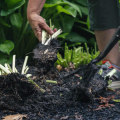
- Handle with Care: When removing seedlings from their pots, gently grasp them by the leaves, not the stem, to avoid damage. If they are root-bound, gently loosen the roots before planting.
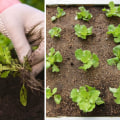
- Spacing Matters: Follow recommended spacing guidelines for each plant type to ensure adequate air circulation and sunlight exposure. Overcrowding can lead to disease and stunted growth.
- Water After Transplanting: After placing your seedlings in their new spots, water them thoroughly to help settle the soil around the roots and eliminate air pockets.
Remember that proper care during this critical stage will lead to healthier plants and a more bountiful harvest.
Common Mistakes to Avoid When Transplanting Seedlings
Transplanting seedlings can be a rewarding experience, but it’s also fraught with potential pitfalls. Avoiding common mistakes can significantly enhance the success of your seasonal garden care. Here are some frequent errors to watch out for:- Transplant Shock: One of the most common mistakes is failing to acclimate seedlings to their new environment. Gradually introduce them to outdoor conditions over a week or two, a process known as hardening off.
This helps reduce transplant shock.
- Timing Issues: Planting too early or too late can hinder growth. Ensure you know your local frost dates and transplant seedlings when the soil temperature is optimal for their specific needs.
- Poor Soil Preparation: Neglecting to prepare the soil properly can lead to nutrient deficiencies. Always amend your garden soil with organic matter and ensure it drains well before transplanting.
- Overcrowding: Planting seedlings too close together can lead to competition for nutrients and sunlight. Follow spacing guidelines for each plant type to promote healthy growth.
- Neglecting Water Needs: After transplanting, seedlings require consistent moisture.
Avoid letting the soil dry out completely, but also be cautious of overwatering, which can lead to root rot.
FAQs About Transplanting Seedlings in a Summer Garden
Transplanting seedlings can be a daunting task for many gardeners, especially when it comes to timing and technique. Here are some frequently asked questions that can help clarify the process and ensure your summer garden thrives.When is the best time to transplant seedlings?
The ideal time to transplant seedlings into your summer garden is typically after the last frost date in your area. This varies by region, so it's essential to check local gardening resources.Generally, waiting until the soil temperature reaches at least 60°F (15°C) is advisable for most summer crops.
How do I prepare my seedlings for transplanting?
- Harden off your seedlings by gradually exposing them to outdoor conditions over a week or two.
- Water your seedlings thoroughly a day before transplanting to reduce stress.
- Choose a cloudy day or transplant in the late afternoon to minimize shock.
What should I do if my seedlings are leggy?
If your seedlings appear leggy, it may be due to insufficient light. To address this, you can:- Provide more light by using grow lights or placing them in a sunnier location.
- Transplant them deeper into the soil, as many plants can develop roots along their stems.
Can I transplant seedlings directly into the garden?
Yes, you can transplant seedlings directly into the garden, but ensure that they are well-acclimated to outdoor conditions. Additionally, consider using raised beds or containers if your soil quality is poor or if you want better control over drainage and nutrients.What common mistakes should I avoid?
- Transplant shock: Avoid disturbing the roots too much during the transfer.
- Poor timing: Ensure you’re not planting too early or too late in the season.
- Neglecting soil preparation: Always amend your soil with compost or fertilizers before planting.
Conclusion: Mastering Your Seasonal Garden Care Routine
In conclusion, understanding the optimal timing for transplanting seedlings into your summer garden is crucial for achieving a thriving and productive space. As we have discussed, the best time to make this transition is typically after the last frost date in your area, which allows your plants to establish themselves in a warm and stable environment.Moreover, seasonal garden care extends beyond just timing.It involves a comprehensive approach that includes:
- Soil Preparation: Ensuring your soil is rich in nutrients and well-draining is essential for healthy plant growth.
- Watering Practices: Regularly monitoring moisture levels and adjusting your watering schedule according to the weather can prevent stress on your seedlings.
- Pest Management: Keeping an eye out for pests and diseases early on can save your garden from significant damage later.
- Mulching: Applying mulch helps retain soil moisture and suppress weeds, creating a more favorable environment for your plants.