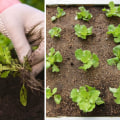
Understanding seasonal garden care is essential for any gardener looking to maintain a vibrant and healthy landscape. Each season brings unique challenges and opportunities, particularly when it comes to the care of perennials. These resilient plants not only add beauty to your garden but also play a crucial role in its overall health. By mastering the timing and techniques of garden maintenance, you can ensure that your perennials thrive year after year. As the winter season approaches, many gardeners may wonder when is the best time to divide and transplant their perennials.
This process is not just about aesthetics; it is vital for rejuvenating plants that may have become overcrowded or less vigorous over time. Properly timed division and transplantation can lead to healthier growth, more abundant blooms, and a more organized garden layout. Understanding the nuances of perennial care during this transitional period will set the foundation for a flourishing garden come spring. In this article, we will explore the optimal timing for dividing and transplanting perennials, ensuring that you are well-equipped to make informed decisions about your garden's seasonal needs. By aligning your gardening practices with the natural rhythms of the seasons, you can enhance not only the beauty of your outdoor space but also its ecological balance.
The Importance of Dividing and Transplanting Perennials
Dividing and transplanting perennials is a vital practice in seasonal garden care that can significantly enhance the health and vitality of your plants.Understanding the reasons behind these actions can help gardeners make informed decisions about their garden maintenance.
Why Divide Perennials?
Over time, perennials can become overcrowded, leading to competition for nutrients, water, and sunlight. This overcrowding can stunt growth and reduce flowering. By dividing perennials, you not only alleviate this competition but also promote healthier growth. Dividing allows each plant to have more space to expand its root system, which in turn supports better nutrient uptake.Benefits of Transplanting
Transplanting perennials can rejuvenate your garden layout and improve overall aesthetics.When you move plants to new locations, you can create more visually appealing arrangements and ensure that each plant receives adequate sunlight and moisture. Additionally, transplanting can help you manage the spread of certain species that may become invasive if left unchecked.
Perennial Health
Healthy perennials are essential for a thriving garden. Regularly dividing and transplanting not only encourages robust growth but also enhances flowering. When perennials are well-spaced and healthy, they are more likely to produce vibrant blooms, contributing to the overall beauty of your garden.Furthermore, this practice can help prevent diseases that often arise from overcrowded conditions.In conclusion, incorporating the practices of dividing and transplanting into your seasonal garden care routine is crucial for maintaining the health and beauty of your perennials. By understanding the importance of these actions, you can ensure a flourishing garden that thrives season after season.
When to Divide and Transplant Perennials: Seasonal Considerations
Understanding the best time to divide perennials is crucial for maintaining a healthy and vibrant garden. Generally, the ideal window for dividing and transplanting perennials falls in the early spring or early fall. These seasons provide the most favorable conditions for root establishment and plant recovery.Spring Division:
In early spring, as the soil begins to warm and new growth emerges, it’s an excellent time to divide perennials that bloom later in the season.
This allows the plants to establish their roots before the heat of summer sets in. Look for signs of new growth, which indicates that the plant is ready to be divided.
Fall Division:
Conversely, early fall is another prime time for transplanting perennials. As temperatures cool and rainfall increases, plants can focus on root development rather than top growth. Aim to divide and transplant at least six weeks before the first expected frost to give your plants ample time to settle in.
- Consider Plant Type: Some perennials, like daylilies and hostas, are more forgiving and can be divided at various times, while others may require specific timing based on their growth cycle.
- Environmental Factors: Pay attention to local climate conditions.
If you experience a particularly hot summer or a harsh winter, adjust your schedule accordingly to avoid stressing your plants.
- Soil Conditions: Ensure that the soil is moist but not waterlogged when you divide and transplant. This helps reduce shock and encourages quicker recovery.
Signs That Your Perennials Need Dividing
Understanding when to divide your perennials is crucial for maintaining a healthy and vibrant garden. Here are some key signs that indicate it might be time to divide your plants:- Overcrowding: If you notice that your perennials are competing for space, with some plants appearing stunted or struggling to thrive, it’s a clear sign of overcrowding.
This can lead to reduced air circulation and increased susceptibility to diseases.
- Declining Blooms: A significant decrease in flowering can indicate that your perennials are becoming too crowded. When plants are not getting enough nutrients or light due to overcrowding, their ability to produce blooms diminishes.
- Dead Centers: Many perennials exhibit a pattern where the center of the plant dies out while the outer edges remain healthy. This is often a sign that the plant needs dividing, as it indicates that the roots are becoming too dense.
- Root Bound: If you notice roots growing out of the drainage holes of your pots or if the plant seems to be lifting out of the soil, it’s time to consider dividing. Root-bound plants struggle to absorb water and nutrients effectively.
- Size Discrepancies: When some plants in a cluster grow significantly larger than others, it may indicate that they are competing for resources.
Dividing these plants can help restore balance and promote healthier growth.
Step-by-Step Guide to Dividing and Transplanting Perennials
Dividing and transplanting perennials is a crucial aspect of seasonal garden care, especially as winter approaches. This process not only rejuvenates your plants but also helps maintain their health and vigor. Here’s a step-by-step guide to ensure you do it effectively.- Choose the Right Time: The best time to divide and transplant perennials is in early spring or late summer.
However, if you’re preparing for winter, aim for late summer to early fall. This timing allows plants to establish roots before the cold sets in.
- Gather Your Tools: You will need a sharp spade or garden fork, a trowel, pruning shears, and a watering can. Having these tools ready will make the process smoother.
- Water the Plants: A day before you plan to divide, water the perennials thoroughly. This helps reduce stress on the plants and makes it easier to lift them from the ground.
- Lift the Plant: Carefully insert your spade or fork around the perimeter of the plant, about 6-12 inches away from the base.
Gently lift the plant out of the soil, taking care not to damage the roots.
- Divide the Roots: Once lifted, inspect the root ball. Use your hands or a sharp knife to divide the plant into smaller sections, ensuring each section has healthy roots and shoots. Aim for divisions that are about 3-4 inches in diameter.
- Prepare New Locations: Before transplanting, prepare the new planting holes by loosening the soil and adding compost or organic matter. This enriches the soil and provides nutrients for your perennials.
- Transplant: Place each divided section into its new hole at the same depth it was previously growing.
Fill in with soil and gently pat down to eliminate air pockets.
- Water Thoroughly: After transplanting, water each section well to help settle the soil around the roots. This is crucial for establishing your perennials in their new locations.
Caring for Divided and Transplanted Perennials After Winter
After dividing and transplanting your perennials in preparation for the winter season, post-transplant care is crucial to ensure their survival and health. Here are some essential tips to help your plants thrive during the colder months:- Watering: Newly transplanted perennials require consistent moisture to establish their roots.
Water them thoroughly after transplanting and continue to monitor soil moisture levels. Aim to keep the soil evenly moist but not soggy, especially as temperatures drop.
- Mulching: Apply a layer of organic mulch around the base of your perennials. This helps insulate the soil, retain moisture, and suppress weeds. A 2-3 inch layer of mulch made from shredded leaves, straw, or wood chips is ideal.
- Fertilizing: Avoid fertilizing your perennials immediately after transplanting.
Instead, wait until early spring when new growth begins. This allows the plants to focus on root establishment rather than foliage growth during winter.
- Protection from Frost: In areas prone to harsh winters, consider covering your newly transplanted perennials with burlap or frost cloth during extreme cold spells. This provides an extra layer of protection against frost damage.
- Pruning: If necessary, prune back any dead or damaged foliage after the first hard frost. This helps prevent disease and allows for healthier growth in the spring.
Remember that each plant species may have specific needs, so always consider their individual requirements for optimal care.
Common Mistakes to Avoid When Dividing and Transplanting Perennials
Dividing and transplanting perennials can rejuvenate your garden, but several common mistakes can hinder your efforts. Understanding these pitfalls is essential for successful seasonal garden care.- Timing Errors: One of the most frequent mistakes is not timing the division correctly. Dividing perennials too late in the season can stress the plants, making it difficult for them to establish roots before winter. Aim to divide in early spring or early fall, depending on the species.
- Neglecting Soil Preparation: Failing to prepare the soil adequately can lead to poor growth after transplanting.
Ensure that the new planting area is well-aerated and enriched with organic matter to provide nutrients for your perennials.
- Overcrowding: When dividing, some gardeners underestimate how much space each plant will need. Overcrowding can lead to competition for resources, stunted growth, and increased susceptibility to disease.
- Ignoring Plant Health: Dividing unhealthy plants is a common error. Always assess the health of your perennials before division; if they show signs of disease or pest infestation, it’s better to wait until they recover.
- Improper Watering: After transplanting, many gardeners either overwater or underwater their newly divided perennials. It’s crucial to keep the soil consistently moist but not soggy to help the plants acclimate.
This not only enhances their growth but also contributes positively to your overall seasonal garden care strategy.
FAQs About Dividing and Transplanting Perennials in Winter
When it comes to dividing and transplanting perennials in winter, many gardeners have questions about the best practices and timing. Here are some frequently asked questions that can help clarify the process:- Is winter a good time to divide perennials?
While winter is not the most common time for dividing perennials, it can be done in regions with mild winters. The key is to ensure that the ground is not frozen solid, allowing for easier digging and transplanting. - What are the signs that my perennials need to be divided?
Look for signs such as overcrowding, reduced blooms, or a decline in overall health. If your plants are struggling to thrive or have become too large for their space, it’s time to consider division. - How do I prepare my perennials for winter after dividing?
After dividing, it’s essential to water the newly transplanted perennials thoroughly.Apply a layer of mulch around the base to protect the roots from freezing temperatures and retain moisture.
- Can I transplant perennials during a frost?
It’s best to avoid transplanting during frost as this can stress the plants. Wait until temperatures are consistently above freezing before proceeding with any division or transplanting. - What tools do I need for dividing perennials?
Essential tools include a sharp spade or garden fork, pruning shears, and gloves. These will help you effectively divide and handle your plants without causing unnecessary damage.
Conclusion: Mastering Seasonal Garden Care for Healthy Perennials
In conclusion, mastering seasonal garden care is essential for maintaining the health and vitality of your perennials.The timing of dividing and transplanting these plants can significantly impact their growth and flowering potential. As we have discussed, the best time to undertake these tasks is typically in the early spring or late summer to early fall, depending on your specific climate and the type of perennials you are working with.By paying attention to the following key points, you can ensure a successful division and transplanting process:
- Monitor Weather Conditions: Aim for a period of mild weather, avoiding extreme heat or frost, which can stress your plants.
- Assess Plant Health: Only divide healthy perennials that are well-established. Look for signs of overcrowding or declining vigor.
- Use Proper Techniques: Employ sharp tools to make clean cuts, minimizing damage to the roots. Ensure each division has adequate roots and foliage.
- Water Thoroughly: After transplanting, water your perennials well to help them settle into their new environment.
Each perennial species may have unique requirements regarding soil type, sunlight, and moisture levels. By tailoring your approach to these needs, you can foster a thriving garden that flourishes year after year.Ultimately, taking the time to properly divide and transplant your perennials will reward you with a more vibrant and diverse garden landscape. Embrace these practices as part of your seasonal garden care routine, and watch your perennials thrive through every season.