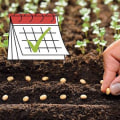
Understanding the growth cycle of summer vegetables is essential for any gardener aiming to maximize their harvest. Each type of vegetable has its own unique timeline, influenced by factors such as temperature, sunlight, and soil conditions. For instance, crops like tomatoes and peppers thrive in the warm summer months, typically taking around 70 to 90 days from planting to harvest. On the other hand, fast-growing vegetables like radishes and lettuce can be ready in as little as 30 days.
Recognizing these timelines allows gardeners to plan their planting schedules effectively and ensure a continuous supply of fresh produce throughout the season. Moreover, understanding the growth cycle not only helps in determining when to harvest but also informs seasonal garden care practices. For example, knowing when your zucchini plants are likely to produce fruit can guide you in providing adequate water and nutrients at critical growth stages. Additionally, being aware of the signs that indicate ripeness—such as color changes or size—can prevent missed opportunities for harvesting at peak flavor and quality. In summary, a solid grasp of the growth cycles of common summer vegetables is a cornerstone of successful vegetable gardening. By aligning your gardening practices with these cycles, you can enhance your garden's productivity and enjoy a bountiful harvest all summer long.
Signs That Vegetables Are Ready to Harvest
Understanding the signs that vegetables are ready to harvest is crucial for maximizing the yield and quality of your summer garden.Each type of vegetable has its own unique indicators of readiness, but there are some common signs to look for across various crops.
- Color: One of the most obvious signs is the change in color. For instance, tomatoes should be a deep red, while bell peppers can be harvested when they turn green or left to ripen to red or yellow, depending on your preference.
- Size: Many vegetables have a specific size at which they are best harvested. Zucchini, for example, is typically best when it reaches about 6-8 inches in length. Check seed packets or gardening guides for specific size recommendations.
- Texture: The texture can also indicate readiness.
For example, cucumbers should feel firm and smooth, while eggplants should have a glossy skin. If they appear dull or have soft spots, they may be overripe.
- Time: Knowing the average days to maturity for each vegetable can help you gauge when to start checking for readiness. Most seed packets provide this information, allowing you to plan your harvesting schedule effectively.
Conversely, if it feels mushy or overly soft, it may be past its prime.Finally, consider the overall health of your plants. If you notice signs of disease or pest damage, it may be wise to harvest earlier than planned to prevent further loss. Regularly inspecting your garden not only helps with seasonal garden care, but also ensures that you catch vegetables at their peak flavor and nutrition.
Optimal Harvesting Times for Different Vegetables
Understanding the optimal harvesting times for your summer vegetables is crucial for maximizing flavor and nutritional value. Each type of vegetable has its own ideal harvest window, which can vary based on the specific variety and local climate conditions. Here’s a breakdown of some popular summer vegetables and their best harvesting times:- Tomatoes: Harvest when they are fully colored and slightly soft to the touch.
This usually occurs about 70-85 days after planting, depending on the variety.
- Zucchini: Best picked when they are 6-8 inches long. Regular harvesting encourages more fruit production, typically around 50-70 days after planting.
- Bell Peppers: These can be harvested when they reach full size, usually 60-90 days after planting. For sweeter peppers, wait until they change color from green to red, yellow, or orange.
- Cucumbers: Ideal size for harvesting is about 6-8 inches long. They should be picked every few days once they start producing, generally around 50-70 days after planting.
- Green Beans: Harvest when the pods are firm and before they start to bulge.
This typically occurs 50-60 days after planting.
Seasonal garden care
involves not just planting and watering but also knowing when to pick your produce for the best taste and quality. Regularly checking your vegetables will help you catch them at their peak. In addition to timing, consider the weather conditions as well. Early morning is often the best time to harvest, as temperatures are cooler and moisture levels are higher, which can help preserve freshness.Impact of Weather on Vegetable Harvesting
Understanding the impact of weather on vegetable harvesting is crucial for achieving the best quality produce from your garden.Different weather conditions can significantly influence not only the timing of your harvest but also the flavor and nutritional value of your vegetables.
Temperature
plays a vital role in determining when to harvest. Most vegetables have an optimal temperature range for growth, and deviations can lead to undesirable results. For instance, if temperatures soar above 90°F (32°C) during the day, it can cause stress to heat-sensitive crops like lettuce and spinach, leading them to bolt or become bitter. Conversely, cooler temperatures can delay ripening, particularly in warm-season crops such as tomatoes and peppers.
Humidity
is another critical factor that affects vegetable quality.
High humidity levels can promote fungal diseases, which may necessitate earlier harvesting to prevent spoilage. On the other hand, low humidity can lead to dehydration in crops like cucumbers and zucchini, making them less appealing. Monitoring local humidity levels can help you decide the right time to pick your vegetables.Additionally, seasonal garden care involves being aware of local climate patterns. For example, if a sudden rainstorm is forecasted, it might be wise to harvest certain vegetables beforehand to avoid waterlogging, which can lead to rot.
Keeping an eye on weather forecasts and understanding how they correlate with your garden's microclimate will enable you to make informed decisions about when to harvest.In summary, by paying close attention to temperature fluctuations and humidity levels, you can optimize your vegetable harvests for both timing and quality. This proactive approach not only enhances your gardening success but also ensures that you enjoy the freshest produce possible throughout the summer season.
Techniques for Harvesting Vegetables Properly
Harvesting vegetables at the right time is crucial for maximizing flavor and nutritional value. To ensure a successful harvest, employing proper harvesting techniques is essential. Here are some best practices to consider:- Timing: Monitor your vegetables closely as they approach maturity.
Each type of vegetable has its own ideal harvest time, often indicated by size, color, and firmness. For instance, tomatoes should be harvested when they are fully colored and slightly soft to the touch.
- Tools: Using the right tools can make a significant difference in the quality of your harvest. A sharp knife or garden shears is ideal for cutting vegetables like cucumbers and peppers, while a gentle twist can help detach leafy greens without damaging the plant.
- Technique: When harvesting root vegetables such as carrots or beets, gently loosen the soil around them with a garden fork before pulling them out to avoid breakage. For leafy greens, cut the outer leaves first, allowing the inner leaves to continue growing.
Early morning is often the best time, as temperatures are cooler and moisture levels are higher, which helps maintain freshness. After harvesting, it’s important to handle your vegetables with care. Place them in breathable containers to prevent bruising and allow for air circulation. If you plan to store your harvest, ensure that it is dry and free from any dirt or debris. By following these proper vegetable harvesting techniques and utilizing the right tools, you can enhance the quality of your produce and extend its longevity post-harvest. This attention to detail is a key aspect of seasonal garden care, ensuring that your hard work in the garden pays off with delicious results.
Common Mistakes to Avoid When Harvesting Vegetables
Harvesting vegetables can be a rewarding experience, but many gardeners make common mistakes that can affect the quality and yield of their crops.Understanding what not to do during the harvesting process is crucial for successful seasonal garden care.
- Harvesting at the Wrong Time: One of the most frequent errors is picking vegetables too early or too late. Each type of vegetable has a specific maturity date. For instance, tomatoes should be harvested when they are fully colored and slightly soft to the touch, while cucumbers are best picked when they are still firm and green. Always check seed packets or gardening guides for optimal harvest times.
- Using Improper Tools: Using the wrong tools can damage your plants.
Avoid pulling vegetables from the ground; instead, use a sharp knife or garden shears to cut them from the stem. This method minimizes stress on the plant and helps prevent disease.
- Neglecting Cleanliness: Failing to clean your tools before harvesting can introduce pathogens to your garden. Always sanitize your tools with a solution of bleach and water or rubbing alcohol before use to maintain a healthy growing environment.
- Ignoring Weather Conditions: Harvesting during wet conditions can lead to spoilage. Aim to harvest in dry weather, ideally in the morning after the dew has dried, to ensure your vegetables are at their best.
- Not Checking for Pests: Before harvesting, inspect your vegetables for signs of pests or disease.
Removing affected produce promptly can prevent further spread and protect your remaining crops.
FAQs About Summer Vegetable Harvesting
When it comes to harvesting vegetables during the summer, many gardeners have questions about the best practices and timing. Here are some frequently asked questions that can help you optimize your seasonal garden care.- What is the best time of day to harvest vegetables?
The ideal time to harvest is in the early morning or late afternoon when temperatures are cooler. This helps preserve the freshness and flavor of your vegetables. - How do I know when my vegetables are ready to be harvested?
Each vegetable has its own signs of ripeness.For example, tomatoes should be fully colored and slightly soft to the touch, while cucumbers should be firm and green. Refer to specific guidelines for each type of vegetable.
- Should I harvest vegetables even if they are not fully mature?
It depends on the vegetable. Some, like zucchini, can be harvested young for better flavor, while others, like peppers, should be left to mature fully for optimal taste. - What tools do I need for harvesting?
A sharp knife or garden shears is essential for clean cuts. Avoid pulling vegetables from the plant as this can damage both the fruit and the plant itself. - How can I store harvested vegetables?
Most summer vegetables should be stored in a cool, dry place or in the refrigerator.Make sure to wash them only before use to prolong their shelf life.
Conclusion: Mastering Your Summer Harvest for a Bountiful Garden
In conclusion, mastering your summer harvest is essential for achieving a bountiful garden. Understanding the nuances of seasonal garden care not only enhances the quality of your vegetables but also maximizes your yield. Throughout this article, we have explored the critical factors that influence the timing of your harvest, including the specific growth cycles of various vegetables and the environmental conditions that can affect their readiness.To recap, here are some key takeaways:- Know Your Vegetables: Different vegetables have unique harvesting times.
For instance, leafy greens like lettuce can be harvested as soon as they reach a desirable size, while root vegetables like carrots may require more time in the ground.
- Monitor Maturity Indicators: Pay attention to visual cues such as color, size, and firmness. These indicators are crucial for determining when your vegetables are at their peak flavor and nutritional value.
- Consider Weather Conditions: Summer heat can accelerate growth, so be vigilant about checking your garden regularly. A sudden change in weather can also impact the timing of your harvest.
- Harvesting Techniques Matter: Use proper techniques to avoid damaging plants during harvest. This ensures that you can continue to enjoy fresh produce throughout the season.
Remember, a successful garden is one that is tended with knowledge and care. Embrace these practices, and you will reap the rewards of your hard work all summer long.