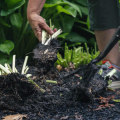
As the vibrant colors of summer begin to fade, the transition into fall presents a unique opportunity for gardeners to embrace seasonal garden care. Understanding the nuances of this seasonal shift is crucial for anyone looking to cultivate a thriving fall garden. The key to successful gardening lies not just in planting but in meticulous preparation and timing. Knowing when to start planning your fall garden can make all the difference in achieving a bountiful harvest. Fall gardening is often overlooked, yet it offers a chance to grow a variety of crops that thrive in cooler temperatures.
From hearty greens like kale and spinach to root vegetables such as carrots and beets, the fall season can yield an impressive array of produce. However, to reap these benefits, one must begin preparations well in advance. This involves assessing your current garden conditions, understanding your local climate, and selecting the right plants that will flourish during this time. Moreover, garden preparation for fall goes beyond just choosing what to plant. It includes soil enrichment, pest management, and planning for seasonal changes that can affect growth.
By taking the time to understand these elements of seasonal garden care, you set yourself up for success as you transition from summer blooms to autumn harvests. In the following sections, we will delve deeper into the specific steps you should take to ensure your fall garden is not only prepared but also poised for success.
The Importance of Timing in Fall Gardening
Timing is crucial when it comes to fall gardening. Understanding when to start planning and preparing your garden can significantly impact the success of your crops. Generally, the best time to begin your preparations for a fall garden is in late summer, typically around mid to late July, depending on your climate zone.Regional Variations
- Cooler Climates: In regions with shorter growing seasons, such as the northern United States, you should aim to plant your fall crops by early August.
This allows enough time for plants to mature before the first frost.
- Milder Climates: If you live in areas with milder autumns, like parts of California or the southern U.S., you can start planting as late as mid-September. Crops like kale and spinach thrive in cooler temperatures and can be sown later.
- Frost Dates: Always check your local frost dates. Knowing the average first frost date in your area will help you determine the latest possible planting time for your fall garden.
Fall Gardening Schedule
- Mid-July: Begin planning your garden layout and selecting crops that are suitable for fall planting.
- Late July: Start sowing seeds indoors for crops that require a head start, such as broccoli and cabbage.
- Early August: Direct sow seeds for fast-growing greens like arugula and lettuce.
- Mid-August: Transplant seedlings outdoors and continue sowing seeds for quick-maturing varieties.
- September: Monitor weather conditions closely; be prepared to cover plants if an early frost threatens.
Key Preparations for Your Fall Garden
As summer winds down, it’s time to shift your focus to fall garden preparation.Proper planning and preparation can make a significant difference in the success of your garden. Here are some key steps to consider:
- Soil Testing: Before you start planting, conduct a soil test to determine its pH and nutrient levels. This will help you understand what amendments are necessary for optimal plant growth.
- Amending Soil: Based on your soil test results, amend your soil with organic matter such as compost or well-rotted manure. This not only improves soil structure but also enhances nutrient availability for your plants.
- Selecting Appropriate Plants: Choose plants that thrive in cooler temperatures.
Some excellent options for a fall garden include kale, spinach, and various root vegetables like carrots and beets. These crops can withstand light frosts and often taste sweeter after exposure to cold.
- Planting Techniques: When planting in the fall, consider using raised beds or row covers to protect young plants from unexpected temperature drops. Additionally, spacing your plants properly will ensure good air circulation and reduce the risk of disease.
Choosing the Right Plants for Fall Gardening
As the temperatures begin to cool, fall gardening presents a unique opportunity to cultivate a variety of plants that thrive in the crisp air.Choosing the right plants is essential for a successful seasonal garden care strategy. Here are some of the best options for your fall garden:
Fall Vegetables
- Kale: This leafy green is not only nutritious but also becomes sweeter after a frost, making it a perfect addition to your fall garden.
- Brussels Sprouts: These vegetables can withstand cold temperatures and are best harvested after the first frost, enhancing their flavor.
- Carrots: Planting carrots in late summer allows them to mature in cooler weather, resulting in crisp and sweet roots.
- Radishes: Quick to grow, radishes can be sown in late summer for a fast fall harvest.
Fall Flowers
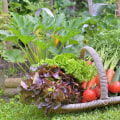
- Mums (Chrysanthemums): These vibrant flowers are synonymous with fall and can add a burst of color to your garden.
- Pansies: Known for their resilience, pansies can bloom even in cooler temperatures, providing cheerful color throughout the season.
- Asters: These perennial flowers bloom in late summer to fall, attracting pollinators and adding beauty to your landscape.
- Ornamental Kale: Not just for eating, ornamental kale offers stunning foliage that can enhance your garden's aesthetic during the fall months.
Common Mistakes to Avoid When Planning a Fall Garden
Planning a fall garden can be a rewarding experience, but many gardeners fall into common traps that can hinder their success. Here are some frequent mistakes to avoid:- Neglecting Soil Preparation: One of the biggest errors is failing to prepare the soil adequately.
As the season changes, soil health is crucial. Test your soil pH and nutrient levels, and amend it with organic matter or fertilizers as needed.
- Planting Too Late: Timing is everything in seasonal garden care. Many gardeners underestimate the first frost date and plant too late. Research your local climate and choose varieties that can mature before the cold sets in.
- Overcrowding Plants: In an effort to maximize yield, some gardeners plant too closely together.
This can lead to poor air circulation and increased susceptibility to diseases. Follow recommended spacing guidelines for each plant type.
- Ignoring Pest Control: Fall gardening doesn’t mean pests disappear. Failing to monitor for pests can lead to infestations that ruin your harvest. Implement preventive measures early, such as using row covers or natural repellents.
- Choosing the Wrong Varieties: Not all plants thrive in cooler temperatures.
Avoid planting warm-season crops that won’t survive the fall chill. Instead, focus on cool-season vegetables like kale, broccoli, and carrots.
FAQs About Fall Gardening Preparation
As you embark on your journey to prepare for a fall garden, you may have several questions. Here are some frequently asked questions that can help guide your planning and preparation:When should I start planning my fall garden?
It's best to start planning your fall garden in late summer, typically around mid to late August.This allows you to select the right crops and prepare your soil before the cooler temperatures set in.
What vegetables can I grow in the fall?
Many vegetables thrive in cooler weather. Some popular choices include:- Kale
- Spinach
- Brussels sprouts
- Carrots
- Radishes
- Garlic
How do I prepare my soil for a fall garden?
Preparing your soil is crucial for a successful fall garden. Follow these steps:- Clear debris: Remove any dead plants or weeds from your garden bed.
- Till the soil: Loosen the soil to improve aeration and drainage.
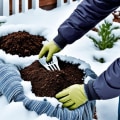
- Add organic matter: Incorporate compost or well-rotted manure to enrich the soil.
- Test pH levels: Ensure your soil's pH is suitable for the crops you plan to grow.
Should I use mulch in my fall garden?
Yes, using mulch can be beneficial in a fall garden. It helps retain moisture, suppresses weeds, and regulates soil temperature as the weather cools down.Organic mulches like straw or shredded leaves are excellent choices.
What are some common mistakes to avoid when preparing a fall garden?
- Planting too late: Timing is essential; ensure you plant early enough for crops to mature before frost.
- Ineffective pest control: Fall can bring pests; monitor and manage them proactively.
- Neglecting frost dates: Be aware of your local frost dates to protect tender plants.
Conclusion: Embracing Seasonal Garden Care for a Thriving Fall Garden
As the days grow shorter and temperatures begin to cool, planning and preparing for your fall garden becomes essential for a successful seasonal transition. Embracing seasonal garden care not only enhances the beauty of your outdoor space but also ensures that your plants thrive through the autumn months.Throughout this article, we have explored the critical steps to take when gearing up for your fall garden. From selecting the right crops to understanding the importance of soil health, each element plays a vital role in your garden's success. Here are some key takeaways:- Timing is crucial: Start planning at least 6-8 weeks before the first expected frost in your area.
- Soil preparation: Enriching your soil with organic matter will provide a nutrient-rich foundation for your plants.
- Crop selection: Choose varieties that are well-suited for cooler temperatures, such as kale, carrots, and radishes.
- Pest management: Implementing preventive measures early can help protect your garden from common fall pests.
Remember, seasonal garden care is an ongoing process that requires attention and adaptability. As you embrace this journey, you will find that each season brings its own unique challenges and rewards.In conclusion, starting early with your planning and preparation will set the stage for a thriving fall garden. With careful consideration and timely action, you can enjoy the fruits of your labor well into the cooler months. So grab your gardening tools and get ready to cultivate a beautiful autumn oasis!.