As the chill of winter begins to fade, the anticipation of spring brings a renewed sense of hope and excitement for gardeners.
Seasonal garden care
is not just a routine; it’s a vital practice that lays the groundwork for a flourishing garden. Understanding when and how to prepare your garden for the upcoming spring season can make all the difference in achieving vibrant blooms and bountiful harvests. Preparing your garden involves more than simply planting seeds; it requires thoughtful planning and attention to detail. By engaging in garden preparation during the early weeks of spring, you can ensure that your soil is healthy, your plants are well-positioned, and your garden is ready to thrive.This proactive approach not only enhances the aesthetic appeal of your outdoor space but also promotes ecological balance, encouraging beneficial insects and pollinators to visit. In this article, we will explore essential spring gardening tips that will guide you through the process of seasonal garden care. From soil testing and amendment to selecting the right plants for your climate, each step is crucial in creating a sustainable and productive garden. Embrace the opportunity to nurture your green space, and watch as it transforms into a vibrant sanctuary come springtime.
When to Start Preparing Your Garden for Spring
Preparing your garden for the upcoming spring season is a crucial step in ensuring a thriving landscape. The ideal time to start this process largely depends on your climate and local weather patterns.Generally, you should begin your preparations in late winter to early spring, typically around six to eight weeks before the last expected frost date in your area.
Understanding Your Local Climate
- Hardiness Zones: Familiarize yourself with your USDA hardiness zone, which can guide you on what plants will thrive in your region.
- Frost Dates: Check local resources for average last frost dates. This information is vital for timing your planting and preparation activities.
Spring Garden Timeline
- Late Winter (January - February): Start planning your garden layout and selecting seeds. This is also a good time to clean up any debris from the previous season.
- Early Spring (March): Begin soil preparation by testing pH levels and adding necessary amendments. You can also start sowing seeds indoors for early crops.
- Mid to Late Spring (April - May): Once the danger of frost has passed, you can transplant seedlings outdoors and direct sow seeds for warm-season crops.
Seasonal Gardening Schedule
A well-structured seasonal gardening schedule can help you stay organized.
Consider creating a calendar that includes:
- Seed starting dates
- Transplanting schedules
- Regular maintenance tasks such as watering, weeding, and fertilizing
Assessing Your Garden's Condition After Winter
As winter fades and the promise of spring approaches, it’s essential to conduct a thorough assessment of your garden's condition. This evaluation will help you determine the necessary steps for effective seasonal garden care and ensure your plants thrive in the warmer months.1.Check Soil Health
- Start by examining the soil. Use a spade or trowel to dig a small hole about 6 inches deep.
Look for signs of compaction or poor drainage.
- Perform a simple soil test to check pH levels and nutrient content. This will guide you in amending the soil appropriately.
- If the soil is too wet or frozen, wait until it dries out before proceeding with further assessments.
2.Evaluate Plant Viability
- Inspect perennials and shrubs for signs of life. Look for new buds or green stems, which indicate that the plants have survived the winter.
- Remove any dead or damaged branches, as these can harbor pests and diseases.
- For annuals, check if any have self-seeded; these can be a pleasant surprise in your garden.
3.Conduct a Winter Garden Cleanup
- Clear away any debris such as fallen leaves, dead plants, and weeds that may have accumulated over winter. This helps prevent pests and diseases from taking hold.
- Consider composting healthy plant material to enrich your soil while disposing of diseased plants properly.
- Rake the garden beds to aerate the soil and prepare them for planting.
This proactive approach not only enhances plant health but also maximizes your gardening efforts as spring unfolds.
Essential Tasks for Spring Garden Preparation
As the days grow longer and temperatures begin to rise, it’s time to focus on essential tasks for spring gardening. Preparing your garden for the upcoming season is crucial for ensuring a bountiful harvest. Here are some key tasks to consider:- Assess Your Garden Space: Before diving into planting, take a moment to evaluate your garden layout. Identify areas that may need improvement or reorganization based on last season's performance.
- Clean Up Debris: Remove any leftover plant material, weeds, and debris from the previous season.
This helps prevent pests and diseases from overwintering in your garden.
- Prepare the Soil: Healthy soil is the foundation of a thriving garden. Start by testing your soil's pH and nutrient levels. Based on the results, amend your soil with organic matter such as compost or well-rotted manure to enhance its fertility.
- Till the Soil: Once amended, till the soil to a depth of at least 12 inches. This aerates the soil and helps incorporate nutrients evenly throughout.
- Fertilization: Apply a balanced fertilizer to provide essential nutrients for your plants.
Consider using organic options like fish emulsion or bone meal for a more sustainable approach.
- Pest Control Measures: Early spring is an ideal time to implement pest control strategies. Use organic pesticides or introduce beneficial insects like ladybugs to keep harmful pests at bay.
Choosing the Right Plants for Your Spring Garden
As you prepare for the upcoming spring season, selecting the right plants is crucial for a thriving garden. Understanding your climate and soil conditions will help you make informed choices that align with your gardening goals.Assessing Your Climate
Different regions have varying climates, which significantly influence plant growth.Start by identifying your USDA Hardiness Zone, which indicates the types of plants that can survive in your area. For instance:
- Cooler climates (Zones 3-5) may benefit from hardy perennials like daylilies and hostas.
- Moderate climates (Zones 6-7) can support a wider variety, including peonies and lavender.
- Warmer climates (Zones 8-10) are ideal for heat-loving plants such as zinnias and salvias.
Understanding Soil Conditions
The next step is to evaluate your soil type. Conduct a simple soil test to determine its pH and nutrient levels. This information will guide you in selecting plants that thrive in your specific soil conditions:- Sandy soils: These drain quickly and are suitable for drought-tolerant plants like suculents.
- Clay soils: These retain moisture, making them ideal for moisture-loving plants such as irises.
- Silty soils: Rich in nutrients, silty soils can support a diverse range of plants, including roses.
Selecting Seasonal Plants
When it comes to seasonal plant selection, consider both annuals and perennials.Annuals like petunias and basil provide vibrant color and can be replanted each year, while perennials such as coneflowers and astilbes return season after season.
A spring planting guide
can help you determine the best time to sow seeds or transplant seedlings based on your local frost dates. Generally, early spring is ideal for cool-season crops like lettuce, while warm-season crops like tomatoes should be planted after the last frost.Selecting the right plants not only enhances the beauty of your garden but also ensures a successful growing season. By considering your climate, soil conditions, and seasonal planting times, you can create a flourishing spring garden that meets your gardening aspirations.Common Mistakes to Avoid in Spring Garden Preparation
As the spring season approaches, many gardeners are eager to get started, but rushing into preparations can lead to common gardening errors that hinder growth and productivity. Here are some frequent mistakes to avoid:- Neglecting Soil Testing: One of the biggest pitfalls is failing to test your soil before planting.
Soil quality directly affects plant health. Conduct a soil test to determine pH levels and nutrient content, allowing you to amend it appropriately.
- Overlooking Weather Conditions: Spring weather can be unpredictable. Planting too early can expose young seedlings to frost damage. Always check local forecasts and wait until the danger of frost has passed.
- Skipping Cleanup: Many gardeners forget to clean up their garden beds from the previous season.
Removing dead plants, weeds, and debris not only improves aesthetics but also reduces pests and diseases that can linger in the soil.
- Improper Plant Selection: Choosing plants that are not suited for your climate zone is a common mistake. Research which plants thrive in your area and select varieties that will flourish in your specific conditions.
- Ignoring Pest Control: As you prepare your garden, don’t overlook potential pest issues. Implementing preventive measures early on can save you from larger infestations later in the season.
Frequently Asked Questions About Seasonal Garden Care
As the spring season approaches, many gardeners find themselves with questions about seasonal garden care.Here are some frequently asked questions that can help you prepare your garden effectively.
When should I start preparing my garden for spring?
It's best to begin your preparations in late winter to early spring, typically around 4-6 weeks before the last expected frost in your area. This allows you to clean up your garden beds, remove debris, and plan your planting schedule.What tasks should I prioritize in early spring?
- Soil preparation: Test your soil pH and nutrient levels, then amend it with compost or fertilizers as needed.
- Weed control: Remove any weeds that have emerged to prevent them from competing with your plants.
- Pruning: Trim back any dead or damaged branches from perennials and shrubs to encourage healthy growth.
How can I protect my plants from late frosts?
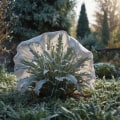
To safeguard your plants from unexpected late frosts, consider using frost cloths, row covers, or even old sheets to cover tender plants during cold nights. Additionally, planting frost-resistant varieties can provide an extra layer of protection.What are some common mistakes to avoid in spring gardening?
- Planting too early: Be cautious of the last frost date; planting too soon can damage young plants.
- Neglecting soil health: Healthy soil is crucial for a thriving garden. Always amend and test your soil before planting.
- Overwatering: Spring rains can be plentiful; ensure proper drainage to avoid waterlogged roots.
Remember, seasonal garden care is all about timing and preparation!
Conclusion: Embracing Seasonal Care for a Thriving Spring Garden
As we approach the vibrant days of spring, it becomes increasingly clear that seasonal garden care is not just a task but a vital practice for any gardener aiming for a flourishing garden. The insights shared throughout this article highlight the importance of timely preparation and proactive measures to ensure your garden thrives.To recap, starting your preparations early can significantly impact the health and productivity of your plants. Here are some key takeaways:- Soil Health: Testing and amending your soil in late winter or early spring sets a strong foundation for plant growth.
- Plant Selection: Choosing the right plants for your climate and soil conditions ensures better resilience against pests and diseases.
- Timing: Understanding the local frost dates helps you determine when to sow seeds or transplant seedlings.
- Pest Management: Implementing preventive measures early can save you from larger infestations later in the season.
As you step into spring, take action based on the insights provided, and watch as your efforts blossom into a beautiful and bountiful garden.In conclusion, effective seasonal garden care is essential for achieving a thriving spring garden. Start today, and let your garden flourish with the beauty of the season!.